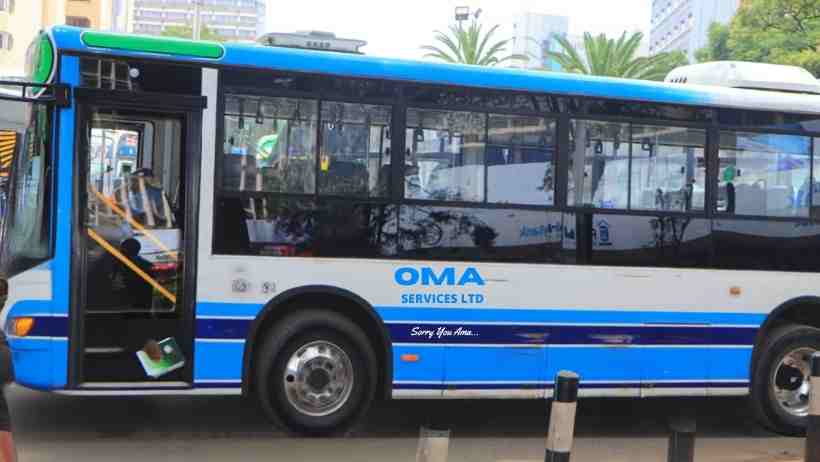
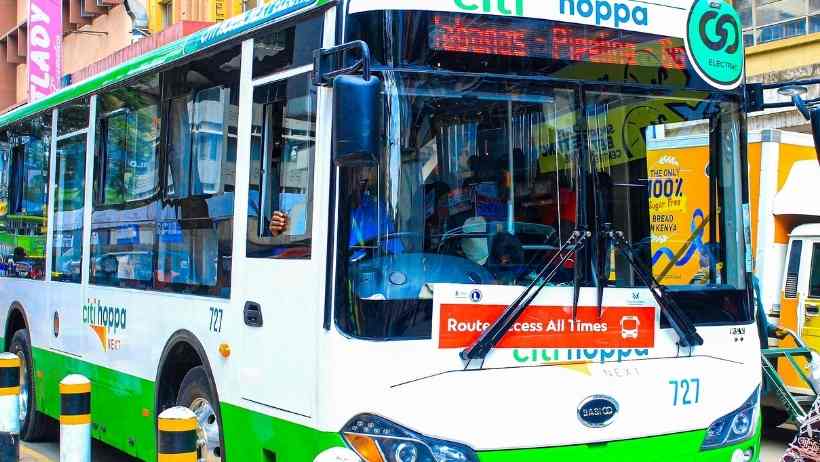

Commuters in Nairobi were surprised when electric buses increased fares after the latest fuel price review, even though the buses do not use petrol or diesel.
On Wednesday, April 15, many matatus across the city raised fares by up to Ksh 50 following higher fuel costs. Passengers expected electric buses to keep their prices unchanged. Instead, electric operators adjusted fares as well.
Here is the simple explanation.
Why Electric Buses Also Raised Fares
1. Fares are set per route, not per engine type
Public transport prices in Kenya are often agreed by SACCOs and route operators.
Many SACCOs run both diesel and electric vehicles.
When fares change, the adjustment usually applies to all vehicles on that route — electric or not.
2. Operators avoid undercutting each other
If diesel matatus increase fares but electric buses remain cheaper, it can create competition problems.
To maintain uniform pricing and reduce conflicts, operators often match fares.
3. Electricity costs are indirectly affected by fuel
Electric buses charge using grid power.
Some electricity in Kenya is produced by thermal plants that use fuel.
When fuel prices rise, electricity generation costs can also increase over time, affecting charging expenses.
4. Maintenance and spare parts still depend on fuel
Electric buses still need:
- Tyres
- Suspension parts
- Body repairs
- Imported components
Transporting these items becomes more expensive when diesel prices increase. This pushes operating costs up.
5. Economy-wide inflation effect
Higher fuel prices raise transport costs across the economy.
This affects logistics, labour, and services linked to bus operations.
Commuter Impact
- Fares rising across both diesel and electric buses
- Reduced price advantage previously enjoyed by electric buses
- Higher daily commuting costs for Nairobi residents
- Less flexibility in choosing cheaper options on shared routes
Electric buses still remain cheaper to run in the long term. However, Nairobi’s shared route pricing model means commuters may not immediately see those savings. True fare differences will only appear when electric fleets operate independently with dedicated routes and stages.