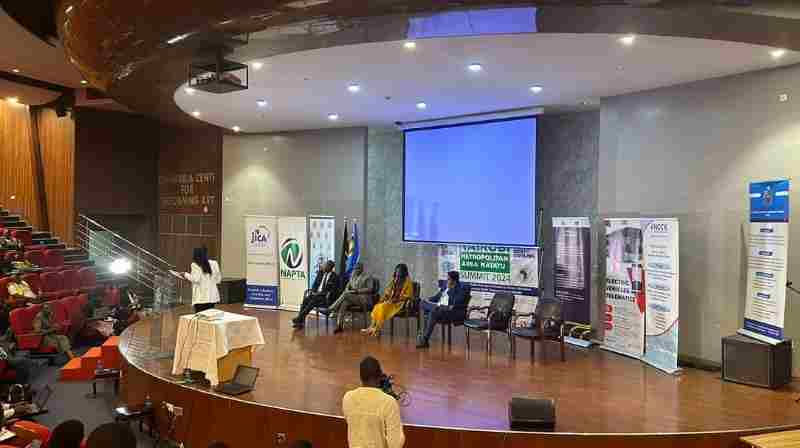

Stakeholders from across the transport ecosystem convened in Nairobi on Tuesday for the Nairobi Matatu Summit and Expo, focusing on long-term reforms aimed at improving the city’s public transport system.
The meeting brought together representatives from government, matatu operators, academia, civil society, and private sector players. Discussions centered on how to modernize Nairobi’s transport network to meet the needs of a rapidly growing and changing urban population.
ALSO READ Youth Volunteers Clean Aga Khan Walk in “Clean City, Peaceful City” Initiative
Participants identified persistent challenges affecting the sector, including heavy traffic congestion, air pollution, inefficiencies in service delivery, and limited infrastructure. Delegates stressed that transport planning must evolve to serve future generations, particularly Generation Alpha, who will depend on the system in the coming decades.
The Nairobi Public Transport Alliance (NAPTA), through CEO Charles Naholi, highlighted ongoing efforts to push reforms aimed at making the sector more inclusive and sustainable. The alliance is advocating for policies that encourage innovation, including integration of electric buses and adoption of smart regulatory frameworks. Training for operators and industry professionals was also emphasized as critical to modernization.
Stakeholders agreed that collaboration between government agencies, operators, academic institutions, and civil society is essential for building a coordinated and efficient transport system. Without joint action, fragmented services and inconsistent standards will continue to affect service quality.
Environmental concerns dominated part of the discussions, with the transport sector identified as a major contributor to Nairobi’s emissions. Electric buses were presented as a viable option for reducing pollution. However, delegates noted that transitioning to cleaner fleets remains expensive, and operators require financial support to make the shift.
The summit also highlighted the economic significance of the matatu industry, estimated to be worth about Sh250 billion. Despite its importance, operators face challenges accessing financing to upgrade vehicles or invest in new technologies. High interest rates and strict collateral requirements have discouraged many from seeking loans.
Urban planner and Kenya Bus Services manager Edwin Mukabana pointed out that financial institutions often consider the matatu sector high-risk due to its informal structure. As a result, operators struggle to obtain affordable credit. Delegates proposed public-private partnerships, subsidies, and tax incentives to make financing more accessible.
Capacity building emerged as another priority. Many operators lack formal training in transport economics, safety, land use planning, and business management. Stakeholders proposed introducing transport-related programs in universities to prepare skilled professionals for the sector.
The University of Nairobi showcased its role in research and training, noting that over 50,000 students commute daily and depend heavily on public transport. The institution is working on studies and programs aimed at improving policy and operational efficiency in the sector.
Participants also addressed structural challenges such as market saturation, weak competition structures, and fragmented services caused by informal operations. Solutions discussed included standardized training, better route planning, and long-term career development pathways for transport workers.
Infrastructure development was also emphasized, including dedicated bus lanes and improved road planning. Stakeholders urged efficient use of the Sh70 billion allocated for Nairobi’s public transport improvements to ensure meaningful transformation.
Insurance challenges were also raised, with operators reporting delays and difficulties in obtaining payouts after accidents or breakdowns. Delegates stressed that improving insurance frameworks would help reduce risk and attract investors to the sector.
Commuter Impact
For Nairobi commuters, the discussions signal potential improvements in reliability, cleaner buses, and better-organized routes in the future. However, short-term changes may be gradual as financing and policy reforms take time to implement.
What commuters should expect:
- Gradual introduction of electric buses on some routes
- Possible restructuring of routes and terminals
- Improved training for drivers and crew
- Long-term improvements in service reliability and air quality
Actionable advice for commuters:
- Monitor route changes and announcements from operators
- Consider alternative routes during pilot reforms
- Support cleaner transport options where available
- Plan extra travel time during transition phases
Source: The Star Kenya