

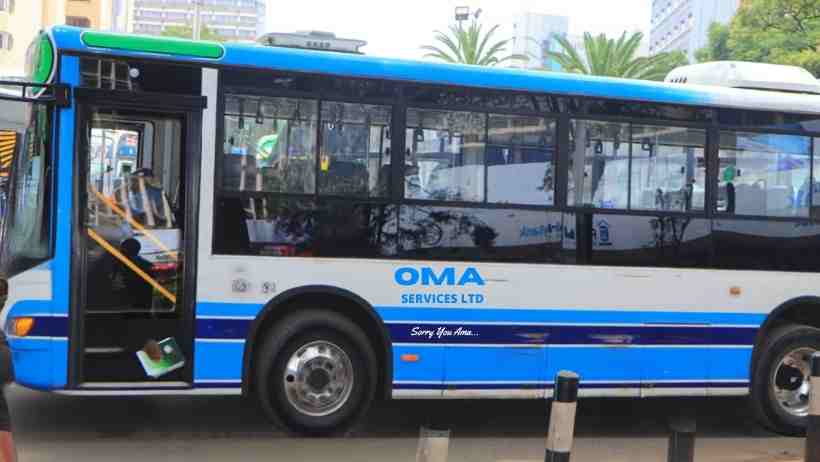

President William Ruto has announced that the first 100,000 electric vehicles (EVs) imported into Kenya will be exempt from import duty in a move aimed at accelerating the country’s transition to clean energy transport.
Speaking in Mombasa on Friday, May 22, 2026, the Head of State said the tax incentive will apply to both private and public service vehicles as the government pushes for wider adoption of electric mobility across the country.
“I am making a declaration that the first hundred thousand electric vehicles to be imported into Kenya, whether for private or public use, will be duty-free,” Ruto announced.
ALSO READ Why Kenya Cannot Simply Reduce Fuel Levy Despite Public Pressure
The President said the government wants Kenya to become a regional hub for electric mobility by attracting investment into local EV assembly and manufacturing plants.
According to Ruto, the shift toward electric transport is not only about addressing rising fuel costs but also about building long-term economic resilience and energy security.
“This is not only about overcoming the current crisis but also about building a more self-reliant, resilient, and economically secure Kenya for generations to come,” he stated.
The announcement comes at a time when Kenya is facing pressure over high fuel prices and growing commuter concerns, especially in
The government officially launched Kenya’s National Electric Mobility Policy earlier this year as part of a broader strategy to reduce emissions and modernise the transport sector.
During the launch held on February 3, 2026, Energy Cabinet Secretary Davis Chirchir described the policy as a major milestone in Kenya’s transition toward cleaner and more sustainable transportation.
“Electric mobility is crucial to reducing greenhouse gas emissions, decreasing reliance on imported fossil fuels, and fostering economic growth through local manufacturing and job creation,” Chirchir said.
The policy is aligned with Kenya Vision 2030 and the government’s Bottom-Up Economic Transformation Agenda (BETA).
EV Growth in Kenya Accelerating
Government data shows that electric vehicle adoption in Kenya has grown rapidly over the past three years.
Registered EVs increased from just 796 vehicles in 2022 to 24,754 by 2025, signalling growing market confidence and increased investment in the sector.
According to Chirchir, Kenya is targeting a 32 per cent reduction in greenhouse gas emissions by 2030 under commitments linked to the Paris Agreement, with electric mobility identified as one of the key strategies.
The duty-free import window could significantly lower the cost of bringing electric vehicles into Kenya, especially electric buses, taxis, delivery vans, and private cars.
For Nairobi commuters, the move could eventually contribute to:
Lower transport operating costs
Reduced fuel dependency
Cleaner urban air
Expansion of electric matatus and buses
More investment in charging infrastructure
However, experts say the success of the plan will also depend on:
Availability of affordable EV financing
Expansion of charging stations
Stable electricity supply
Local assembly incentives
Public confidence in EV reliability
Kenya is now positioning electric mobility not as a future concept, but as an active economic and transport strategy.
If implemented effectively, the duty waiver could accelerate the transition from diesel-powered public transport toward electric commuter systems, especially in cities like Nairobi where fuel costs and congestion continue to affect millions daily.
The biggest test will now shift from policy announcements to actual implementation, affordability, and infrastructure rollout.