
Nairobi & National Update — Fuel Price Crisis Response
The government has moved to open urgent talks with transport operators and industry players following rising fuel prices and ongoing protests affecting public transport and economic activity.
ALSO READ LIVE UPDATE: Traffic Restored in Several Areas as Strike Disruptions Continue
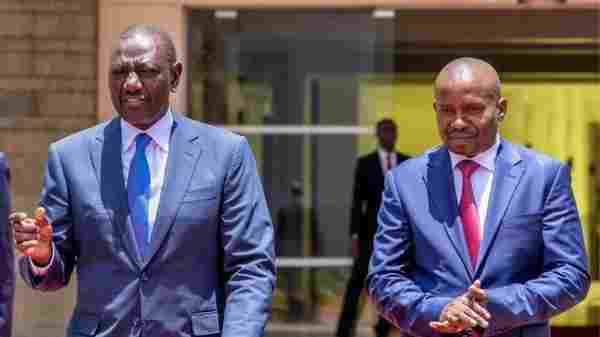
Deputy President Kithure Kindiki has confirmed that President William Ruto has directed a high-level government team to engage stakeholders in the petroleum and transport sectors.
The discussions will focus on stabilizing the fuel situation and reducing disruption across the economy.
LIVE BREAKDOWN: What Is Happening
- Government talks activated
- A Kindiki-led team of officials and Cabinet Secretaries has been tasked with urgent consultations.
- Stakeholders invited
- Matatu owners and operators
- Vehicle manufacturers
- Petroleum-dependent industries
- Core agenda
- Address rising fuel costs
- Explore short-term stabilization measures
- Prevent further disruption of transport systems
Context: Why This Is Happening
- Fuel price increases have triggered nationwide tension and protests.
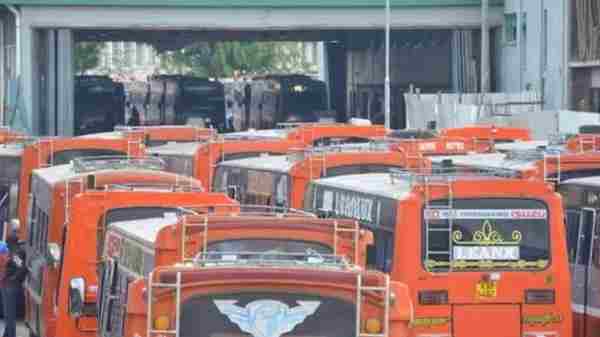
- Public transport systems, especially matatus, have been heavily affected.
- Government links part of the price pressure to global geopolitical instability impacting oil markets.
Key Government Position
- The Deputy President urged calm and warned against violence or destruction of property.
- He described the fuel price surge as a global issue, not purely domestic.
- Government maintains that earlier interventions helped cushion consumers, including:
- Reduced VAT on petroleum products (16% → 8%)
- Fuel price stabilization measures
Economic Claims from Government
- Officials claim fuel prices had previously dropped significantly before recent global shocks.
- They argue that without interventions, prices could have escalated far higher.
- The National Infrastructure Fund (approx. KSh 350 billion) is expected to support long-term energy, water, and infrastructure projects.
Security & Public Order Warning
- Authorities have cautioned against:
- Violent protests
- Looting
- Economic sabotage
- The government says instability could worsen economic strain if disruptions continue.
What to Watch Next
- Outcome of government–matatu stakeholder meeting
- Possible fuel pricing adjustments or subsidies
- Response from transport unions and SACCOs
- Impact on Nairobi commuter flow in coming days
SOURCE CITIZEN DIGITAL