

By Nova 200
Every year, the world marks Internet Day — a celebration of the digital network that fundamentally reshaped how we communicate, learn, work, and innovate. Globally recognized on October 29 in many contexts to honor the first network message sent in 1969, this observance reminds us of the internet’s power and its role in connecting humanity.
But in many parts of the world — including in Kenya — a broader observance of the Internet’s societal role is tied to World Telecommunication and Information Society Day (WTISD) on May 17. This United Nations‑backed day highlights the role of digital technologies, like the internet, in economic growth and social inclusion, while calling attention to the digital divide that still exists.
ALSO READ This Valentine’s Day Love Should Be Clear, Not Urgent
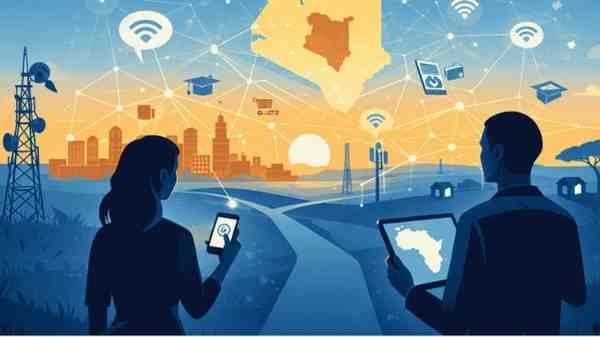
For Kenyans, internet access isn’t just a convenience — it’s become a vital tool for education, commerce, entrepreneurship, and civic engagement. Yet, while millions are connected, the journey toward full digital inclusion is ongoing.
The State of Internet Access in Kenya
Recent data show that about 48 % of Kenyans were using the internet in early 2025, with over 27 million connected users — a steady rise as mobile networks expand and affordable data plans spread across the country.
Yet this progress also highlights that more than half the population remains offline, particularly in rural areas or among older, lower‑income segments of the population.
Usage also varies by region and gender. For example, urban access rates significantly outpace rural ones, and more men than women, on average, use the internet across different age groups.
This digital divide is not unique to Kenya; it’s a global challenge that the international community aims to address through policy, infrastructure investments, and inclusive education on WTISD and related observances.
Why the Internet Matters More Than Ever
The internet is no longer just about social media or entertainment. In Kenya, it’s a tool for economic participation. Students access educational resources online; entrepreneurs grow businesses via e‑commerce platforms; and professionals engage in remote work and online freelancing — opportunities that simply didn’t exist two decades ago.
Mobile networks, especially 4G and 5G, have been central to this transformation. Investments in fibre‑optic infrastructure and digital hubs are expanding opportunities beyond major cities, offering more Kenyans access to high‑speed connectivity and digital services.
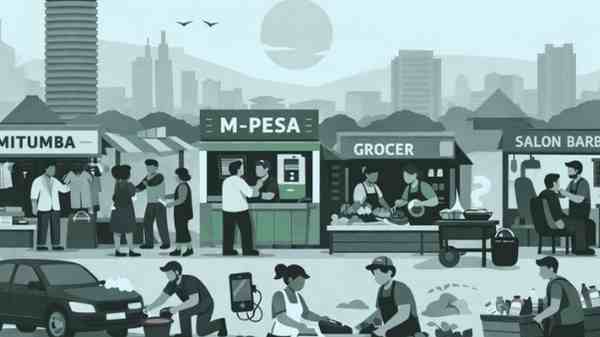
Digital platforms are also reshaping financial inclusion. Mobile money services like M‑Pesa have become ubiquitous, allowing users to send and receive money, pay bills, and even access credit — all through internet‑enabled devices.
Risks, Responsibility, and the Need for a Safer Internet
With opportunities come risks. Kenya, like many countries, has seen rising concerns about online safety, especially for young users. Discussions around cyber threats, misinformation, fraud, and child protection have intensified in recent years.
For example, stakeholders at Safer Internet Day events in Nairobi have called for collective action to protect children and vulnerable users from online harms — while promoting responsible and positive internet use.
This highlights an important truth: digital access alone isn’t enough. Safe, inclusive, and empowering internet use requires education, policy frameworks, and cooperation between government, tech companies, communities, and families.
Bridging the divide!
As Kenya moves deeper into its digital transformation, the focus must be twofold:
- Expand Access – Continue infrastructure investments and affordable data initiatives so more Kenyans can get online.
- Enhance Digital Skills & Safety – Equip users with the knowledge to navigate the internet safely and productively — especially young people.
Observances like World Internet Day and World Telecommunication and Information Society Day provide useful opportunities to reflect on progress, spotlight challenges, and inspire collective action toward a more connected and inclusive digital future.
In Kenya’s context, this means ensuring that the internet not only connects us, but also empowers individuals, strengthens communities, and opens doors to opportunity for all — not just those already online.