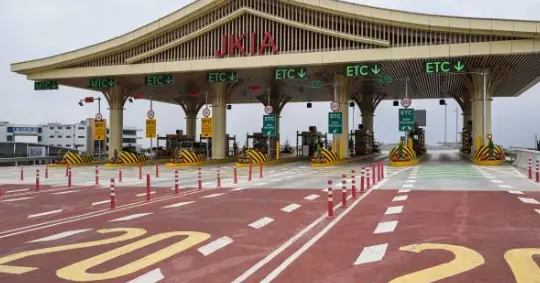
Motorists and public transport passengers could face additional travel costs as the National Treasury advances plans to introduce toll charges on five major Kenyan road corridors through partnerships with private investors.
The proposal, outlined in the government’s 2027 Budget Policy Statement and reported by Pulse Kenya on November 19, 2026, would allow private companies to finance, develop, maintain and operate selected highways while recovering their investment through charges paid by road users.
Among the roads identified are the Nairobi–Thika highway, Nairobi–Mombasa highway, Nairobi Southern Bypass, Mombasa Northern Bypass and the Mau Summit–Eldoret–Malaba corridor.
The proposals could significantly change how some of Kenya’s busiest roads are financed and maintained.
For commuters, however, the central question is whether the introduction of toll charges would eventually translate into higher bus fares and increased transport costs.
Why Kenya Is Considering More Toll Roads
Kenya has traditionally financed much of its road infrastructure through government expenditure, borrowing and revenue collected from motorists, including fuel-related levies.
Under the proposed public-private partnership (PPP) arrangements, private investors would take responsibility for financing and operating selected road projects over agreed concession periods.
In return, motorists using the affected roads would pay toll charges.
According to Pulse Kenya’s report, the Treasury is pursuing this model as the government faces increasing pressure on public finances, with debt servicing projected to reach KSh 1.918 trillion during the 2027/28 financial year.
The approach is intended to attract private investment while reducing the immediate burden of financing major road projects through the national budget.
However, tolling does not eliminate the cost of infrastructure. It changes how those costs are recovered and who pays them.
Five Major Roads Identified for Tolling
1. Nairobi–Mombasa Highway
The 461-kilometre Nairobi–Mombasa highway is among the largest infrastructure projects identified under the proposed programme.
The government intends to upgrade the road into a minimum four-lane, access-controlled highway, with private investors recovering construction and operational costs through toll charges.
The corridor connects Nairobi with Mombasa and serves passenger buses, commercial trucks, private motorists and businesses transporting goods between the port and inland destinations.
According to Pulse Kenya, an earlier KSh 468 billion proposal submitted by American firm Everstrong Capital was rejected in July 2025 over regulatory concerns.
Procurement was subsequently relaunched in August 2026, with the project progressing through evaluation and transaction-advisory processes.
For long-distance bus operators, future toll charges could become another operating expense alongside fuel, maintenance, insurance and labour.
ALSO READ: Madaraka Express SGR Passenger Routes and Station Guide
2. Nairobi–Thika–Kenol–Sagana–Marua Highway
The Nairobi–Thika corridor, one of the country’s busiest commuter highways, is also included in the proposed programme.
The project extends beyond Thika through Juja, Kenol, Sagana and Marua.
Treasury documents cited by Pulse Kenya place the proposed concession value at approximately KSh 100 billion, with a 30-year operating period.
Financial close is targeted for the 2028/29 financial year.
The project is structured as a user-pay arrangement, meaning the private operator would depend on toll revenue to recover its investment while bearing operational and traffic-demand risks.
For Nairobi commuters travelling between the city, Kasarani, Ruiru, Juja and Thika, the proposal raises questions about the future cost of daily travel.
The highway already carries large numbers of buses, minibuses, private vehicles and commercial trucks.
Whether public service vehicles would receive differentiated toll rates or other concessions has not yet been established.
ALSO READ: Route 145 Nairobi to Ruiru: Matatu Stages, Stops and Thika Road Guide
3. Mau Summit–Eldoret–Malaba Highway
The 243-kilometre Mau Summit–Eldoret–Malaba corridor is another major road identified for expansion.
The highway forms part of the Northern Corridor, connecting Kenya’s inland commercial centres with neighbouring countries.
The proposed KSh 130 billion project would upgrade the road into a four-lane toll highway.
According to Pulse Kenya, construction is scheduled to begin in June 2027, subject to the project’s financing and implementation arrangements.
The corridor handles substantial freight traffic, including trucks transporting cargo between Mombasa, western Kenya and regional markets.
Toll charges on commercial trucks could influence freight operating costs, depending on the final tariff structure.
Long-distance passenger transport operators using the corridor would also need to account for any applicable charges.
4. Nairobi Southern Bypass
The Nairobi Southern Bypass is proposed for a 25-year toll and operational concession valued at approximately KSh 12.265 billion.
The road provides an alternative route for motorists and commercial vehicles seeking to avoid sections of Nairobi’s heavily congested urban road network.
Introducing toll charges could change the cost calculations made by transport operators choosing between the bypass and other available roads.
The actual impact would depend on the toll rates, vehicle classifications and alternative routes available to motorists.
5. Mombasa Northern Bypass
The Mombasa Northern Bypass is also included in the proposed PPP programme.
The 38.6-kilometre project carries an estimated value of KSh 30 billion and a proposed concession period of 30 years.
Unlike projects financed entirely through road-user payments, this arrangement is expected to combine private investment with government financial support.
The bypass is intended to improve regional connectivity and provide additional capacity for vehicles moving through the coastal transport network.
What Toll Charges Could Mean for Bus Passengers
Although the proposals primarily concern road financing, their effects could extend to passengers using public transport.
Bus operators calculate fares based on several expenses, including energy or fuel costs, maintenance, staffing, insurance and regulatory compliance.
If toll charges are introduced, operators may have to absorb the additional costs or recover some of them through passenger fares.
The impact would vary according to the toll rate, frequency of trips, vehicle category and number of passengers carried.
For example, a bus operating several return journeys daily along a tolled highway could accumulate substantial road-user charges over a month.
However, no official toll tariffs have been finalised for the five proposed corridors, meaning it is premature to calculate how much fares might increase.
The proposals also raise an important public transport policy question: should high-capacity buses carrying dozens of passengers receive preferential toll treatment compared with private cars?
Such an arrangement could encourage more efficient use of road space and support mass public transport.
For electric city buses, toll policies could also be designed to reward low-emission transport, although no such exemption or incentive has been confirmed under the current proposals.
Motorists Raise Concerns Over Additional Charges
The proposed expansion of toll roads is already attracting opposition from sections of the motoring community.
Pulse Kenya reports that the Motorists Association of Kenya has opposed long-term toll concessions, instead proposing adjustments to existing fuel-related levies as an alternative financing mechanism.
The disagreement centres on how road infrastructure should be funded and whether motorists should pay additional charges to use roads that form part of the national transport network.
Supporters of private financing argue that it can accelerate infrastructure development and reduce the government’s immediate financing requirements.
Critics, meanwhile, question the affordability of toll charges, the length of private concessions and the potential burden on motorists and commercial transport operators.
Legal Questions Surrounding the PPP Programme
The proposed projects also face legal and regulatory considerations.
According to Pulse Kenya, a High Court judgment delivered in November 2026 found sections of the Public Private Partnerships Act, 2021, unconstitutional.
The ruling raises parliamentary approval requirements for arrangements involving sovereign guarantees or potential public financial liabilities.
Projects structured entirely around private financing and user payments may be treated differently from those requiring government financial support.
The distinction could affect how individual road concessions proceed through approval and procurement.
When Will Motorists Start Paying?
Motorists should not expect immediate toll charges on the five roads simply because they appear in the Treasury’s infrastructure plans.
The projects remain at different stages of procurement, financing and preparation.
Some have proposed construction dates, while others are targeting financial close in subsequent financial years.
Before toll collection can begin, the relevant projects would require the necessary approvals, financing arrangements, concession agreements and operational infrastructure.
The government would also need to establish applicable toll tariffs and vehicle classifications.
For now, the existing road-use arrangements remain unchanged by these proposals.
ALSO READ: Nairobi Bus Stations & Termini: Complete Guide to Matatu Stages and Destinations
The Bigger Question for Kenya’s Public Transport Future
Kenya’s transport network needs sustained investment in safer roads, reliable maintenance and improved connectivity.
But the financing model adopted for major highways will also influence how affordable those roads remain for ordinary passengers.
As the government advances its toll-road programme, public transport operators and commuters will be watching for details on bus toll rates, fare implications and whether alternative routes will remain available.
The treatment of high-capacity and low-emission public transport vehicles will be particularly important as Kenya expands its electric mobility sector.
For commuters, the issue is not simply whether better highways will be built, but how much they will ultimately cost to use.
Source: Pulse Kenya, November 19, 2026. Reporting on the National Treasury’s 2027 Budget Policy Statement and proposed road public-private partnerships.
Metros Kenya | Make Public Transport Great Again.