
Dear George Ruto,
You have done something few young investors in Nairobi’s public transport sector have managed to do: you have captured attention.
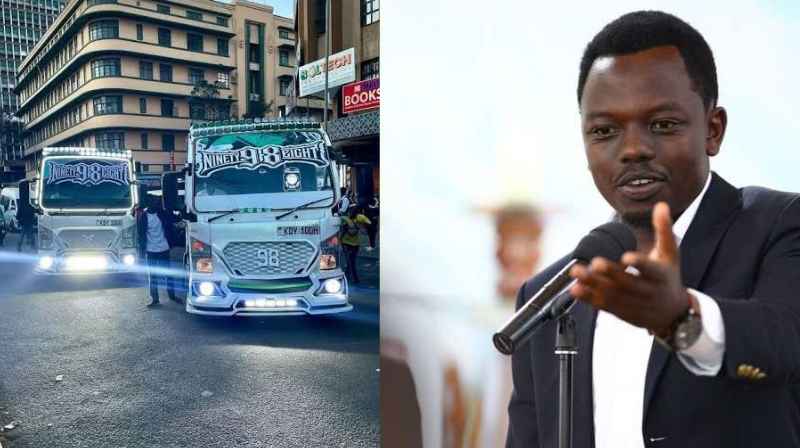
Your investment in nganyas — Nairobi’s highly customised matatus — has attracted crowds, conversation and a strong following among sections of the city’s youth. You have said that you have launched 17 matatus and that creating employment for young people is part of your motivation.
That deserves recognition.
But there is a much bigger opportunity in front of you.
You could help make clean, electric public transport attractive to the same young generation you are trying to reach through nganya culture.
Keep the Culture — Change the Technology
Nairobi’s nganya culture is creative, energetic and unmistakably Kenyan. The artwork, music, technology and vehicle customisation have transformed ordinary matatus into moving expressions of youth culture.
But not every young person is impressed by everything associated with the nganya phenomenon. There have also been concerns about noise, safety and road behaviour surrounding parts of the culture.
That does not mean the culture needs to disappear.
It can evolve.
Imagine taking the creativity and excitement of a nganya and putting it into a modern electric city bus.
Keep the artwork. Keep the technology. Keep the distinctive Nairobi identity.
But combine it with electric propulsion, professional drivers, clean interiors, good customer service and disciplined road behaviour.
You would not be abandoning nganya culture.
You would be showing where it could go next.
Electric Public Transport Is Already Here
This is no longer a futuristic idea.
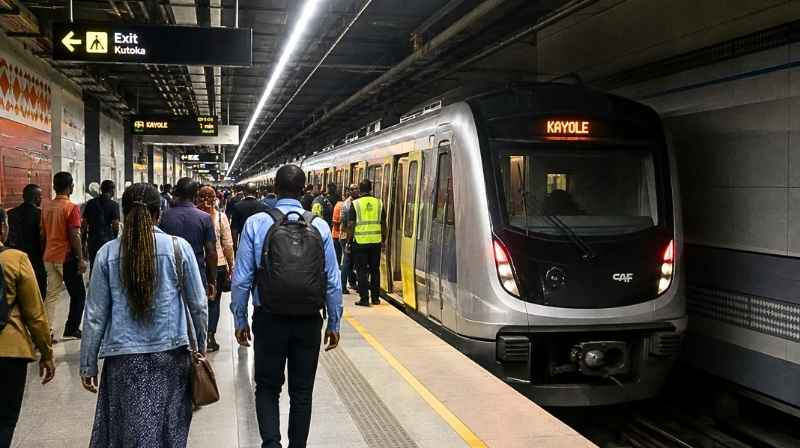
Electric buses are already operating in Kenya, while companies are developing vehicles for the country’s urban public transport market. Kenya has also launched a National Electric Mobility Policy intended to encourage electric transport, charging infrastructure, local manufacturing and private investment.
The transition has therefore begun.
The question is who will turn electric mobility into something Nairobi’s young people actively want to be associated with.
That is where your influence could matter.
You Can Reach Young People Differently
George, you already have young people’s attention.
But the young people you are targeting are not one audience.
Some love nganyas. Others simply want public transport that is clean, comfortable, safe and predictable. Increasingly, there is also a generation interested in technology, sustainability and the future of Nairobi.
An electric fleet could speak to both.
And it could still create jobs.
Electric mobility needs drivers and crews, but it also creates opportunities in charging infrastructure, electrical engineering, diagnostics, software, battery technology, maintenance, fleet management and local vehicle assembly.
That could take your youth-employment argument beyond simply putting more matatus on the road.
Make Road Discipline Part of the Brand
There is also something that matters just as much as replacing diesel with electricity.
A modern bus should behave like a modern bus.
Build a fleet known for disciplined driving.
Employ properly trained crews.
Respect passengers and other road users.
Maintain the vehicles properly.
Observe designated stages and stops.
Make cleanliness, safety and professionalism part of the identity.
That would demonstrate that Nairobi public transport can be exciting without disorder becoming part of the attraction.
Imagine Your Next Launch
Imagine your next major transport launch.
There are still crowds. There is still music. Young Kenyan designers have created extraordinary identities for the vehicles.
But this time, a fleet of electric buses rolls out.
No diesel engines. No tailpipe emissions from the buses.
Instead, the message is:
Clean vehicles. Disciplined drivers. Safe passengers. Kenyan creativity.
That would start a completely different conversation.
George, There Is Still an Opportunity
You do not have to abandon the nganya.
You can help evolve it.
You could show young Nairobians that electric mobility isn’t merely something discussed by government officials at conferences. It can be a business, an employer, a culture and something young people actually want to ride.
You already have people’s attention.
Now there is an opportunity to use that attention to show Nairobi what could come next.
Keep the creativity.
Keep creating opportunities for young people.
But take the next step.
George Ruto, build an electric fleet. Make it unmistakably Nairobi — and show the city that clean, green and disciplined public transport can be just as exciting as the nganya.
— Metros Kenya