
- Nairobi building collapses are caused by weak approval systems, corruption, and poor enforcement
- A single digital construction approval system would improve transparency and accountability
- Illegal extra floors and poor workmanship are the leading causes of building failures
- Public access to approved building plans can help prevent unsafe construction
- Strong penalties for rogue developers and professionals are critical to restoring safety
Also Read Kenya Passport Ranks 8th in Africa as Global Position Improves
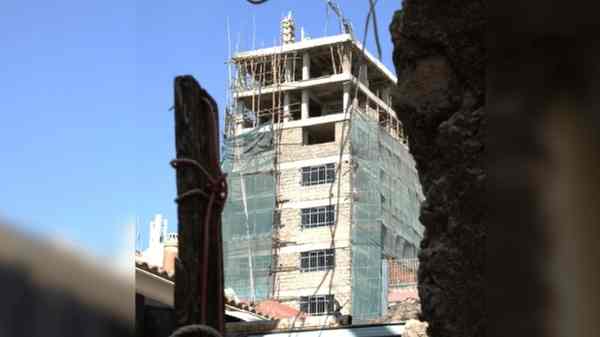
Building collapses in Nairobi are no longer shocking events. They have become a dangerous pattern. Every collapse tells the same story: poor approvals, weak inspections, and lack of accountability. These are not natural disasters. They are human failures.
If Nairobi wants safe housing, especially under the affordable housing programme, then the city must urgently reform how buildings are approved, inspected, and supervised.
1. Nairobi Needs One Digital Building Approval System
Too many agencies are involved in approving buildings, yet none takes full responsibility when things go wrong. County governments, the National Construction Authority (NCA), NEMA, and other bodies operate separately. This creates confusion and loopholes.
Nairobi should use one integrated digital construction approval system. All approvals, inspections, and changes should happen on one platform. Each project must show:
- Who approved it
- Who inspected it
- Who is responsible for supervision
When a building collapses, accountability should be clear and traceable.
2. Make Building Approvals Public and Transparent
Secrecy allows corruption to thrive. Approved drawings, number of floors, contractor details, and inspection reports should be publicly accessible online.
If residents can check whether a building is approved, unsafe developments can be reported early. Transparency protects lives.
3. Stop Illegal Extra Floors Immediately
Adding extra floors without approval is one of the biggest causes of building collapse in Nairobi. Many foundations are not designed to carry additional weight.
Any change to an approved building must require:
- A new structural assessment
- Fresh approval
- Mandatory inspection
Illegal additions should result in heavy fines, blacklisting, and demolition at the developer’s cost. This must be treated as a serious criminal offense, not a minor mistake.
4. Hold Professionals Personally Accountable
Engineers, architects, and contractors must be responsible for their work. If a building fails, investigations should clearly identify:
- The structural engineer
- The architect
- The contractor
- The approving officers
Licenses should be suspended immediately where negligence is proven. Blacklisted professionals should be publicly named. This will restore trust in the construction sector.
5. Strengthen Inspections and End Fake Reports
Many inspections are weak or compromised. Nairobi needs independent and regular inspections, especially for high-risk buildings.
Inspection reports should include photos, timestamps, and digital records. Inspectors must be rotated to reduce corruption and held accountable for false approvals.
6. Update Building Codes and Enforce Quality Standards
Kenya still relies on outdated building codes. Modern construction methods and materials are not fully covered.
The Draft National Building Code 2020 must be adopted urgently. The use of substandard materials and poor workmanship must attract strict penalties. According to NCA data, poor workmanship is the leading cause of collapsed buildings—and it is preventable.
7. Use and Publicize the NCA Contractor Database
The NCA has a database of registered contractors and supervisors, but many developers ignore it. The public is also largely unaware of its existence.
Only registered professionals should be allowed on construction sites. The database should be easy to access so that developers and the public can verify who is qualified.
8. Faster Approvals, Not Weaker Oversight
Long and confusing approval processes encourage developers to bypass the system. Nairobi should enforce clear timelines for approvals while maintaining strict standards.
A fast, transparent system reduces corruption and improves compliance.
Safe Buildings Require Political Will
Nairobi’s building crisis is a governance problem, not a technical one. The solutions are known. What is missing is strong political will and zero tolerance for corruption.
If approval systems are transparent, professionals are accountable, and laws are enforced without fear or favour, building collapses will reduce. Without these reforms, Nairobi will continue to lose lives to preventable disasters.
Safe housing is not optional. It is a basic responsibility.