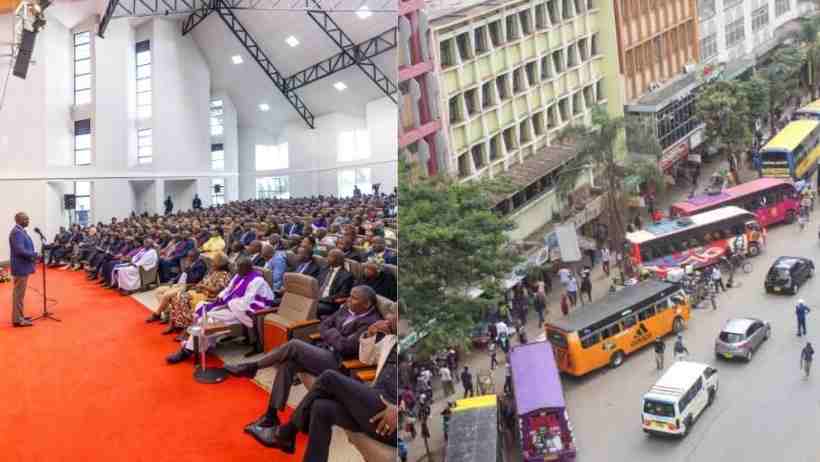

William Ruto recently outlined an ambitious plan to regenerate Nairobi, focusing on infrastructure upgrades including roads, lighting, and waste management. The President announced that 250 kilometres of roads will be built or upgraded across the capital, with 67 kilometres already under construction and additional sections set to begin soon. He also pledged the installation of 40,000 streetlights to support a 24-hour economy and the deployment of more garbage trucks to improve cleanliness. “We are also putting up 40,000 lights on roads and in estates. This is a 24-hour economy city,” he said, adding that “by December, Nairobi will be different.”
ALSO READ NTSA Issues Back-to-School Transport Safety Advisory Ahead of April 27 Reopening
These initiatives are significant. Nairobi undeniably needs better roads, improved lighting, and efficient waste collection. However, the real question is whether physical infrastructure alone can truly regenerate the city. Urban regeneration is not just about how the city looks — it is about how efficiently people move, work, and interact within it. Without prioritizing the movement of people through efficient public transport and mobility planning, new roads risk becoming wider bottlenecks rather than long-term solutions.
Roads Alone Do Not Solve Congestion
Nairobi’s congestion problem is structural, not simply infrastructural. Studies on the city’s transport system show that traffic jams are driven by rapid population growth, increased vehicle ownership, and inefficient transport planning. These factors result in “traffic congestion, constrained growth and economic activity,” affecting productivity and quality of life.
In other words, expanding roads without transforming transport systems only addresses symptoms, not the underlying cause. More roads often encourage more private vehicles, which eventually fill up the expanded space. This cycle has been observed globally and is already evident in Nairobi, where congestion persists despite years of road expansion.
A study on traffic management strategies in Nairobi emphasized that mobility management programmes promoting alternative transport modes and encouraging higher-capacity vehicles are essential to reducing congestion. The research specifically recommended integrated multi-modal transport systems involving road and rail to improve commuter movement.
This is the core issue: Nairobi’s regeneration cannot rely on asphalt alone. It must prioritize moving more people, not more cars.
A 24-Hour Economy Requires 24-Hour Mobility
The President’s vision of a 24-hour Nairobi is compelling. But a city that operates around the clock must also provide reliable public transport around the clock. Without this, economic activity becomes limited to those who own private vehicles or can afford taxis, excluding a large portion of the workforce.
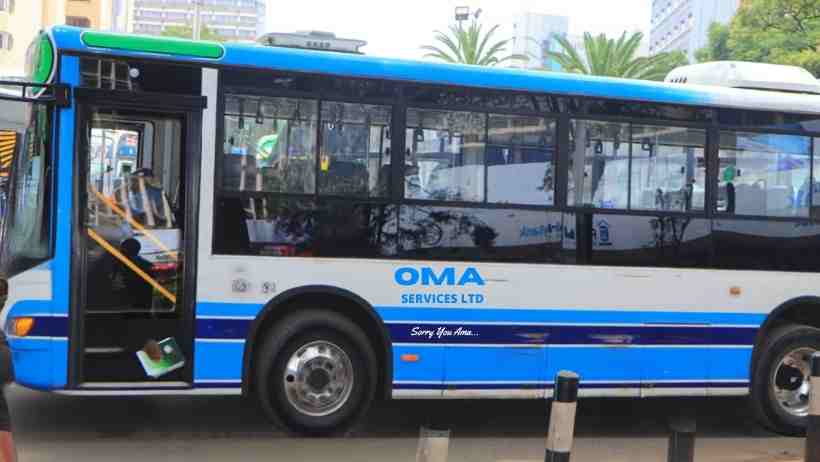
Public transport systems such as Bus Rapid Transit (BRT) are specifically designed to move large numbers of passengers efficiently. These systems use dedicated lanes and structured routes to “improve capacity and reliability in congested cities,” easing congestion and reducing pollution.
This directly aligns with the goals of regeneration. A worker who spends three hours in traffic cannot contribute fully to a 24-hour economy. A business that relies on employees arriving late due to unreliable transport cannot operate efficiently. True economic transformation requires mobility that is predictable, affordable, and high-capacity.
The Economic Cost of Poor Mobility
Transport is not just a convenience — it is the backbone of urban productivity. Research shows that traffic congestion disrupts business operations, delays workers, and reduces economic output. Traffic jams “prevent people from moving freely” and slow economic activities across the city.
This means that even if Nairobi builds hundreds of kilometres of roads, the economic benefits will remain limited unless mobility improves. Efficient transport multiplies productivity by reducing travel time, lowering costs, and expanding access to jobs and services.
When commuters can move quickly:
- Businesses operate longer hours
- Delivery systems become more efficient
- Informal sector workers access more customers
- Employers gain access to wider talent pools
- Public services become more reachable
These are the real ingredients of urban regeneration.
Infrastructure Should Serve Mobility, Not Replace It
Road construction is necessary, but it should support structured mobility systems. For example:
- Dedicated bus lanes
- Integrated rail and bus connections
- Safe walking infrastructure
- Cycling corridors
- Smart traffic management systems
Kenya’s transport policy itself emphasizes multimodal corridor development and the allocation of road space to public transport and non-motorized transport.
This demonstrates that even at policy level, mobility — not just roads — is recognized as essential for urban growth. If Nairobi’s regeneration strategy prioritizes these mobility elements, the benefits of new roads and lighting will be amplified. Without them, congestion will simply expand along with the road network.
Regeneration Means Accessibility
A regenerated city is one where:
- Workers reach jobs faster
- Students reach schools easily
- Businesses receive customers efficiently
- Emergency services move quickly
- Low-income residents are not excluded
Public transport directly influences all these factors. When buses, commuter rail, and modern transit systems are reliable, the entire city functions more effectively.
Nairobi once had a structured bus system covering estates, but gaps in planning led to fragmented services and inefficiencies. Experts note that poor route planning results in delays and irregular service, affecting commuters.
This reinforces the need to focus on organized, high-capacity movement rather than just expanding infrastructure.
Clean Streets Must Be Matched by Clear Movement
The President’s plan to increase garbage trucks from 40 to 250 will improve sanitation. Cleaner streets contribute to a better urban environment. But even waste management depends on mobility — trucks must move efficiently through the city. When roads are congested, waste collection becomes slower and more expensive.
Similarly:
- Emergency vehicles depend on clear mobility
- Public transport depends on priority lanes
- Businesses depend on logistics movement
Mobility is the connecting factor across all sectors of regeneration.
The Real Measure of a Regenerated City
A regenerated Nairobi will not be defined only by new roads or brighter lights. It will be measured by:
- Shorter commute times
- Reliable public transport
- Reduced congestion
- Increased productivity
- Inclusive access to opportunities
These outcomes depend on prioritizing movement of people.
President Ruto’s infrastructure push is a critical step toward improving Nairobi’s physical environment. However, roads, lights, and garbage trucks alone cannot deliver full urban regeneration. The true transformation of Nairobi lies in enabling millions of commuters to move efficiently every day.
If the goal is a vibrant 24-hour economy, then transport must be the foundation. Efficient public transport, integrated mobility systems, and high-capacity movement will unlock productivity, reduce congestion, and make infrastructure investments more effective.
In short, building roads regenerates space — but moving people regenerates the city.