

The National Taxpayers Association (NTA) has cautioned transport stakeholders against imposing excessive fares following the latest fuel price increase, warning that commuters are already under pressure from the rising cost of living. The association argued that some operators risk exploiting the situation, thereby deepening financial strain on households dependent on public transport.
The advisory comes amid a sharp rise in fuel prices that has triggered a chain reaction across the transport sector. Recent reviews pushed petrol and diesel prices above KSh 200 per litre in Nairobi, significantly raising operating costs for public service vehicles and freight operators. Analysts say fuel remains the single largest expense for transport businesses, making fare adjustments likely whenever pump prices increase.
ALSO READ NTSA Issues Back-to-School Transport Safety Advisory Ahead of April 27 Reopening
NTA Warns Against Exploitation
In its statement, the NTA urged matatu owners and transport associations to avoid taking advantage of commuters. According to the group, fare adjustments should be fair and proportionate rather than opportunistic.
The association warned that abrupt and exaggerated fare hikes would disproportionately affect low-income earners who rely on daily commuting. It emphasized that transport is a basic necessity for workers, students, and small traders.
A senior NTA official said the organization had received complaints from commuters reporting sudden fare increases on several routes. The official warned that “transport costs have a direct multiplier effect on food prices, school attendance, and productivity,” adding that stakeholders should exercise restraint.
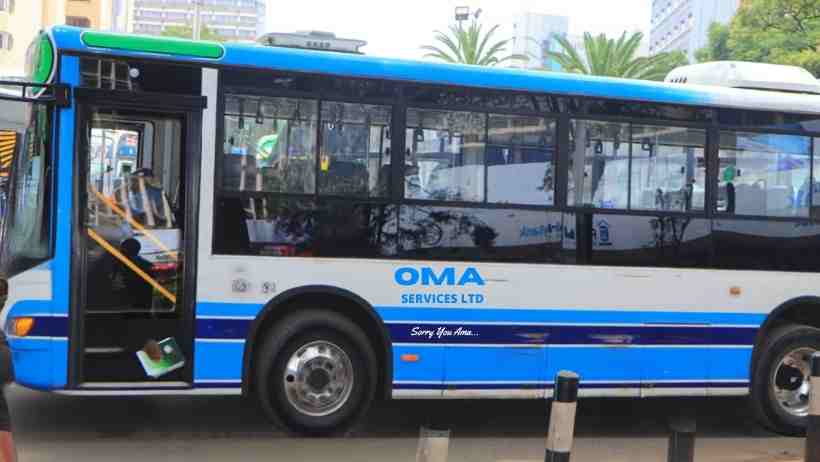
The caution aligns with broader public concerns after transport operators signaled fare increases following the fuel adjustments. Some industry players indicated that higher diesel prices make it difficult to maintain current fares without cutting into profits.
Employers Urged to Consider Remote Work
Beyond the transport sector, the NTA called on both public and private sector employers to adopt remote working arrangements where possible. The association described telecommuting as a temporary relief measure to reduce commuting costs for employees.
“Flexible work schedules and remote work options can significantly cushion households during periods of high transport costs,” the association noted. It argued that the shift would reduce congestion, lower fuel consumption, and ease pressure on public transport demand.
The call mirrors trends seen during previous economic shocks, where hybrid working arrangements helped organizations maintain productivity while reducing employee expenses.
Motorists Association Raises Similar Concerns
The warning by the NTA echoes concerns raised by the Motorists Association of Kenya (MAK), which also criticized recent fuel price adjustments. The association said the magnitude of the increase was excessive and had placed “a heavy burden on motorists, transport operators, and the wider economy.”
MAK further questioned the justification for steep increases, noting that global oil price movements did not fully explain the sharp adjustments. In its remarks, the association asked, “Where is the data justifying such an astronomical increase?”
Such concerns highlight growing anxiety across sectors, from private motorists to commercial transport operators.
Impact on Commuters and Cost of Living
Economists warn that higher transport fares could worsen inflation by raising the cost of goods and services. Public transport costs affect food supply chains, logistics, and daily commuting expenses. When operators raise fares, the ripple effect often reaches households almost immediately.
Recent reports show that matatu operators have previously increased fares by as much as 25 percent after fuel price reviews, depending on route demand and operating costs.
This scenario leaves commuters with limited options. Workers who must travel daily face higher expenses, while businesses may pass additional costs to consumers.
Transport Sector Under Pressure
Transport stakeholders argue that diesel price increases directly affect operating margins. Industry groups have indicated that fuel accounts for more than half of road transport costs, making adjustments inevitable during price shocks.
However, consumer advocacy groups insist that fare increments must be justified and not exceed cost changes. They warn that arbitrary increases could undermine public trust and worsen economic hardship.
Calls for Government Intervention
In addition to urging restraint, stakeholders have called for policy interventions to stabilize transport costs. Proposals include temporary subsidies, tax relief on fuel, and improved public transport infrastructure.
The Motorists Association of Kenya has also pushed for transparency in fuel pricing, arguing that clearer explanations would help stakeholders understand adjustments. It emphasized that the economy is already struggling with high living costs and cannot absorb sudden shocks.
Commuter Advice
Transport analysts recommend the following strategies during periods of high fares:
- Plan trips during off-peak hours where possible
- Consider carpooling or shared rides
- Use alternative routes to reduce travel distance
- Explore remote working or hybrid schedules
- Budget for temporary fare fluctuations
Outlook
With fuel prices expected to remain volatile due to global supply disruptions, transport costs may continue fluctuating. Stakeholders say collaboration between government, operators, and employers will be key to protecting commuters.
The NTA reiterated that while fare adjustments may sometimes be unavoidable, fairness and transparency should guide decisions. The association warned that excessive hikes risk undermining livelihoods and slowing economic recovery.