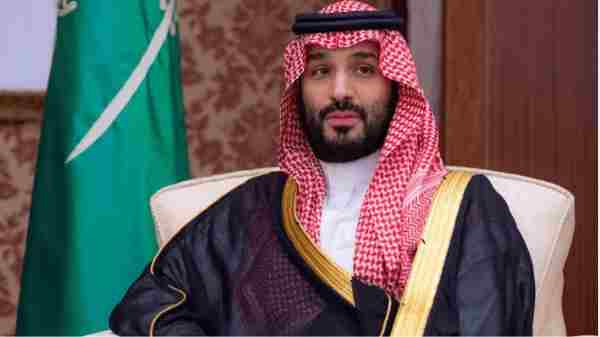
Saudi Arabia Reduces Salary Premiums for Foreign Workers Amid Economic Shift

Saudi Arabia is scaling back the high salaries that once attracted top foreign talent, as the country refocuses its economy and cuts costs, recruiters say.

Shift in Economic Focus

The kingdom is more than halfway through its Vision 2030 plan, which aims to reduce reliance on oil, create jobs, and grow sectors like tourism, real estate, mining, and financial services. Massive investments in mega-projects, including the $500 billion NEOM city and the mountain tourism hub Trojena, initially boosted demand for skilled foreign workers.

However, delays and cost pressures have forced Saudi firms to rethink generous salary offers. Foreign recruits can no longer expect the 40%–100% salary increases common in the past.

“Employers are re-evaluating packages. That definitely has happened,” said Magdy Al Zein, managing director at Boyden.

Focus on AI, Logistics, and Mining

The Public Investment Fund (PIF), which backs projects like NEOM, is now prioritizing sectors expected to offer higher returns, such as artificial intelligence, logistics, and mining.

Previously, project managers in Saudi Arabia could earn nearly double what they would in the UAE, but today, salary differences are much smaller—about 5–8% higher than the UAE on average.

“Convincing people to move from the UAE is a challenge because they expect a high premium,” Al Zein added.

Competition for Jobs Rising

Saudi Arabia’s economic reforms and initiatives to increase citizen participation in the private sector have raised competition for jobs. Unemployment among Saudi citizens is at historic lows, and more Saudis are working in private companies.

Recruiters note that salary packages are now data-driven and performance-based, signaling a more mature job market.

“For companies to attract the best talent, they need to offer predictable salaries, a balanced lifestyle for families, and a clear purpose connected to the scale of projects,” said Louise Knutsson, CEO of Matches Talent in Dubai.

Why Saudi Arabia Still Attracts Talent

Despite slower growth in mega-projects, Saudi Arabia remains appealing to workers from regions with slower job markets. The kingdom is expected to grow 4.4% in 2025, providing opportunities for those willing to relocate.

Hot this week

Nairobi Tested Scheduled Buses and Fixed Fares in 2025. What Happened to the Plan?

Nairobi tested scheduled bus departures and fixed fares along Route 111 in 2025. More than a year later, questions remain about the pilot's lasting impact.

Changa Fuel: Kenyan Platform Wants to Make Shared Travel Cheaper and Safer

A Kenyan technology company is seeking to change how...

Could Nairobi Become Africa’s Most Photographed City?

Nairobi's streets are becoming open-air photography studios. As county authorities move to recognise street photographers, some welcome the change while others fear growing competition could threaten their livelihoods. Could Nairobi become Africa's most photographed city?

Could Ebola Bring Back Lockdowns? How Nairobi Commuters Should Prepare

Kenya’s Ebola cases have reached seven. Here are the symptoms to know, how to protect yourself on public transport, and why commuters should plan quietly for the possibility of movement restrictions.

Why You Must Get Out of Your Car on the Likoni Ferry: 5 Reasons That Might Surprise You

Passengers crossing the Likoni Channel are required to leave their vehicles, but why? From the danger of sinking cars to insurance complications and emergency evacuations, here are five reasons behind this important ferry safety rule. Copy

Topics

Nairobi Tested Scheduled Buses and Fixed Fares in 2025. What Happened to the Plan?

Nairobi tested scheduled bus departures and fixed fares along Route 111 in 2025. More than a year later, questions remain about the pilot's lasting impact.

Changa Fuel: Kenyan Platform Wants to Make Shared Travel Cheaper and Safer

A Kenyan technology company is seeking to change how...

Could Nairobi Become Africa’s Most Photographed City?

Nairobi's streets are becoming open-air photography studios. As county authorities move to recognise street photographers, some welcome the change while others fear growing competition could threaten their livelihoods. Could Nairobi become Africa's most photographed city?

Could Ebola Bring Back Lockdowns? How Nairobi Commuters Should Prepare

Kenya’s Ebola cases have reached seven. Here are the symptoms to know, how to protect yourself on public transport, and why commuters should plan quietly for the possibility of movement restrictions.

Why You Must Get Out of Your Car on the Likoni Ferry: 5 Reasons That Might Surprise You

Passengers crossing the Likoni Channel are required to leave their vehicles, but why? From the danger of sinking cars to insurance complications and emergency evacuations, here are five reasons behind this important ferry safety rule. Copy

Delta’s Premium Seats Now Out-Earn Economy. Kenya Airways Has 30 Per Dreamliner.

Delta Air Lines is betting on premium passengers with 101 premium seats on its new Airbus A350-1000. Kenya Airways operates just 30 business-class seats on each Dreamliner. Could the American airline's strategy offer lessons for Kenya's national carrier? Copy

Government Raises Fuel Prices, Matatus Raise Fares — And Kenyans Are Expected to Pay for Everyone’s Failures

The government has increased fuel prices, and matatu owners now want fares raised by 10%. But who is protecting commuters? Metros Kenya examines the role of the government, EPRA, the Ministry of Transport and matatu operators in Kenya's growing transport costs.

You Could Be Fined or Even Jailed on Kenya’s SGR for These 5 Surprising Things — Number 3 Might Shock You

Did you know that certain actions aboard Kenya's Madaraka Express could attract fines or even imprisonment? Discover five surprising SGR passenger rules, from ticket transfers and First Class seating to prohibited items and emergency equipment.

Related Articles

Popular Categories

spot_imgspot_img