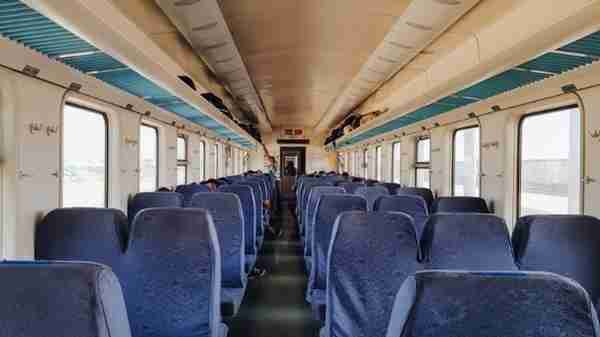

Kenya has officially restarted the expansion of the Standard Gauge Railway (SGR), reviving a multibillion-shilling infrastructure project that had stalled for more than six years due to funding challenges. The renewed construction will extend the railway beyond Naivasha towards Kisumu and eventually Malaba at the Uganda border, marking a significant shift in the country’s transport strategy.
The project, which had previously slowed after Chinese financing reduced, is now being supported through a revised funding model that relies more heavily on Kenya’s railway development levy. This move signals a renewed commitment by the government to complete the line and strengthen regional connectivity through rail.
While the development is largely being discussed in terms of trade and regional integration, its long-term implications for Nairobi commuters cannot be ignored. The expansion is expected to play a role in reducing the number of cargo trucks on major highways such as Mombasa Road and Waiyaki Way, two corridors that frequently experience heavy congestion. By shifting more freight movement to rail, pressure on these roads could gradually ease, improving traffic flow within and around the capital.
The restart also comes at a time when Nairobi continues to grapple with transport inefficiencies, including overreliance on road-based systems and limited coverage of commuter rail services. A stronger national rail backbone creates the potential for further investment in urban rail systems, including the Nairobi Commuter Rail network. Over time, this could translate into improved train frequency, expanded routes, and better integration with other modes of public transport.
Transport experts have long pointed to the need for a multi-modal system in Nairobi, where rail, buses, and emerging Bus Rapid Transit (BRT) lines work together rather than compete. The SGR expansion, although focused on long-distance connectivity, fits into this broader vision by reinforcing rail as a key pillar of Kenya’s transport infrastructure.
However, for now, the restart of the project does not bring immediate changes for Nairobi residents. Commuters should not expect new train services, reduced fares, or less traffic in the short term. Roads such as Thika Road, Mombasa Road, and Waiyaki Way will continue to experience congestion as usual, and public transport patterns remain largely unchanged.
Even so, the significance of the project lies in its long-term potential. By reviving a stalled railway and committing to its completion, the government is effectively signaling that rail transport remains a priority. For a city like Nairobi, where daily commuting challenges continue to grow, such investments could eventually reshape how people move, shifting some of the burden away from roads and towards more efficient, structured systems.
For now, Nairobi commuters will continue navigating the same daily challenges. But in the background, a larger transformation is quietly restarting — one that could redefine the future of transport in the city.
Stay with metros.co.ke for more rail updates, commuter intelligence, and Nairobi transport insights.