
By Metros Reporter
Every increase in fuel prices sends ripples through Nairobi’s transport system, but the latest surge is doing more than making driving expensive—it is fundamentally changing how different generations think about mobility.
With the cost of super petrol and diesel remaining above the KES 200 mark following reviews by the Energy and Petroleum Regulatory Authority (EPRA), transport operators responded by raising matatu fares by between 25 and 50 percent. The expectation was that thousands of motorists would abandon their cars in favour of public transport. Instead, Nairobi has witnessed a more complicated transition.
ALSO READ Nairobi’s BRT Line 2 Takes Shape as KeNHA and NaMATA Inspect Progress
For older millennials and young professionals, owning a car was once a symbol of financial success and career progression. Today, that symbol comes with an increasingly painful price tag. Fuel, parking charges, insurance, servicing and maintenance have made private vehicle ownership difficult to justify, even for middle-income earners.
Generation Z, however, is approaching transport differently.
Many young Kenyans entering the workforce no longer see owning a car as an immediate life goal. Growing up with ride-hailing apps, digital payments and flexible work arrangements, many are content using public transport or ride-sharing services rather than taking on the financial burden of vehicle ownership.
The growth of remote and hybrid work has accelerated that trend. If employees only report to the office a few days each week, purchasing a vehicle that spends most of its time parked simply makes little economic sense.
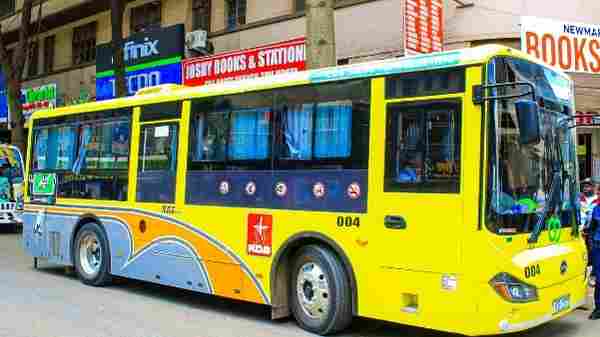
Across estates such as Mihango, Utawala, Ruaka and Ruiru, as well as major corridors including Mombasa Road and Thika Road, increasing numbers of motorists are leaving their cars at home and boarding 33-seater matatus. What began as a temporary response to rising fuel prices is steadily becoming a permanent financial adjustment.
Yet despite the growing pressure on motorists, Nairobi has not experienced the dramatic shift towards public transport that planners have long anticipated.
The biggest obstacle is not necessarily the cost of transport but the commuting experience itself.
For many residents, Nairobi’s famous nganya culture remains both attractive and intimidating. While brightly decorated matatus have become symbols of youth culture and creativity, the aggressive “manyoka” driving style—where some drivers weave dangerously through traffic while loud music blares and passengers cheer—continues to discourage many potential commuters.
For professionals seeking safety, reliability and predictability, the experience often outweighs the savings.
Many transport users argue that if government agencies enforced road safety regulations more consistently, introduced dedicated bus lanes and invested heavily in cleaner public transport, far more private motorists would willingly switch.
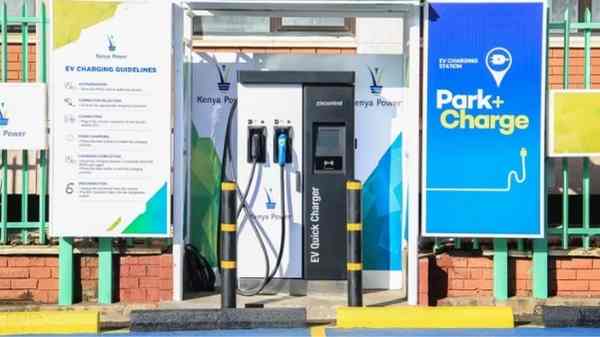
Electric buses have emerged as one possible solution. Besides reducing emissions, they offer operators more stable running costs compared with diesel-powered vehicles whose operating expenses fluctuate with global oil prices. However, their numbers remain too small to significantly change Nairobi’s transport landscape.
Ironically, while matatu fares have increased, public transport remains considerably cheaper than maintaining a private vehicle. Motorists who occasionally leave their cars at home save thousands of shillings every month through reduced fuel consumption, parking fees and vehicle maintenance.
The economics strongly favour public transport.
The challenge is convincing commuters that the experience can match the savings.
The debate around Nairobi’s transport culture intensified after George Ruto unveiled his luxury matatu Mood, reportedly valued at about KSh14 million. The launch attracted thousands of young people to Nairobi’s central business district and reignited debate about the future of the city’s public transport culture.
Supporters viewed the investment as evidence that the matatu industry remains an attractive business and a platform for youth creativity, innovation and employment. During the public debate that followed the launch, rapper Octopizzo argued that matatu culture has grown beyond transport into “a thriving ecosystem of art, music, design, and entrepreneurship,” creating employment for graffiti artists, DJs, sound engineers, fabricators and digital content creators.
Critics, however, questioned whether celebrating luxury nganyas sends the right message at a time when Kenya is promoting cleaner mobility and tackling climate change. Others suggested the investment reflected the commercial potential of Nairobi’s matatu industry rather than a broader commitment to improving public transport. The launch itself also sparked discussion over traffic disruption, public safety and the growing influence of nganya culture among young people.
Meanwhile, ordinary commuters continue adapting quietly. Many negotiate additional work-from-home days, combine several errands into one journey, travel outside peak hours or walk longer distances before boarding matatus in search of lower fares.
Technology has also become one of Generation Z’s greatest transport advantages. Social media platforms and commuter groups allow passengers to compare fares in real time, identify cheaper routes and monitor traffic conditions before leaving home.
According to commuting trends from the Kenya National Bureau of Statistics, walking remains one of the most common ways Nairobi residents travel to work. During periods of fare increases, even more commuters choose to complete part—or all—of their journeys on foot.
Ultimately, Nairobi’s transport future may depend less on fuel prices than on confidence in the public transport system itself. Cleaner buses, safer driving standards, predictable fares and reliable services could persuade thousands more motorists to leave their cars at home.
Until then, rising fuel prices will continue to reshape commuting habits, but they are unlikely to deliver the full public transport revolution that Nairobi desperately needs.