Uber to Acquire Glovo Kenya in Sh1.95 Trillion Global Deal, According to Capital Business

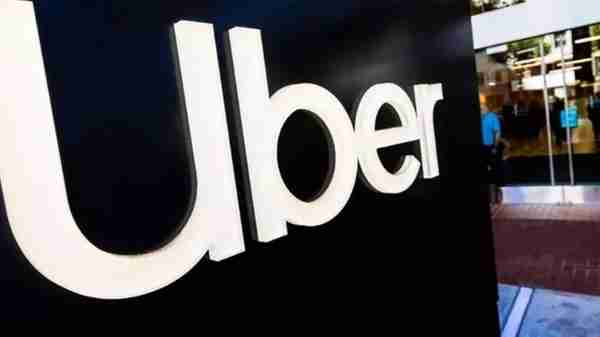
NAIROBI, Kenya, July 17 – Uber is set to strengthen its position in Kenya’s digital delivery market after reaching an agreement to acquire Glovo Kenya as part of a wider global transaction involving Delivery Hero, according to Capital Business.

The publication reports that the deal, valued at approximately Sh1.95 trillion, will see Uber acquire Delivery Hero’s food delivery operations across nearly 50 markets spanning Africa, Asia, the Middle East and Latin America.

ALSO READ: Kenya’s Electric Bus Revolution Is Gaining Speed, But the Infrastructure Question Remains

The portfolio includes major delivery brands such as foodpanda in Asia, HungerStation in Saudi Arabia, talabat across Gulf countries, Pedidos Ya in Latin America, and Glovo operations in Kenya, Nigeria, Uganda, Morocco and several other markets. Together, these businesses generated a combined gross merchandise value of $42 billion in 2025, according to the report.

If regulators approve the transaction, Uber will combine its existing ride-hailing business in Kenya with Glovo’s food delivery and on-demand retail services, significantly expanding its presence in the country’s fast-growing digital commerce sector.

As quoted by Capital Business, Uber Chief Executive Officer Dara Khosrowshahi said:

“By bringing our platforms together, Uber will extend affordable, reliable delivery to many millions more people in some of the world’s most dynamic economies, while creating more opportunities for merchants and couriers.”

The report notes that Kenya’s online delivery market has continued to expand due to increasing smartphone adoption, rapid urbanisation and growing consumer demand for food delivery, grocery shopping and other quick-commerce services.

According to Capital Business, Delivery Hero’s Management Board and Supervisory Board have approved the proposed transaction, describing it as a strategic move to improve the company’s long-term competitiveness in an industry where scale is becoming increasingly important.

The publication also reports that Delivery Hero has separately agreed to sell its operations in 14 European markets, where Uber Eats and Delivery Hero currently compete, to New York-based investment firm SSW Partners for approximately €1.4 billion (Sh210 billion). Those operations include Glovo businesses in Spain, Portugal, Poland, Romania and Moldova.

The acquisition remains subject to regulatory approvals and other customary closing conditions. Once finalized, Uber’s combined mobility and delivery platform is expected to operate in 99 countries, with a projected gross merchandise value of approximately $236 billion based on 2025 figures.

Source: This story is based on reporting by Capital Business and has been rewritten with attribution.

Hot this week

Could Ebola Bring Back Lockdowns? How Nairobi Commuters Should Prepare

Kenya’s Ebola cases have reached seven. Here are the symptoms to know, how to protect yourself on public transport, and why commuters should plan quietly for the possibility of movement restrictions.

Why You Must Get Out of Your Car on the Likoni Ferry: 5 Reasons That Might Surprise You

Passengers crossing the Likoni Channel are required to leave their vehicles, but why? From the danger of sinking cars to insurance complications and emergency evacuations, here are five reasons behind this important ferry safety rule. Copy

Delta’s Premium Seats Now Out-Earn Economy. Kenya Airways Has 30 Per Dreamliner.

Delta Air Lines is betting on premium passengers with 101 premium seats on its new Airbus A350-1000. Kenya Airways operates just 30 business-class seats on each Dreamliner. Could the American airline's strategy offer lessons for Kenya's national carrier? Copy

Government Raises Fuel Prices, Matatus Raise Fares — And Kenyans Are Expected to Pay for Everyone’s Failures

The government has increased fuel prices, and matatu owners now want fares raised by 10%. But who is protecting commuters? Metros Kenya examines the role of the government, EPRA, the Ministry of Transport and matatu operators in Kenya's growing transport costs.

You Could Be Fined or Even Jailed on Kenya’s SGR for These 5 Surprising Things — Number 3 Might Shock You

Did you know that certain actions aboard Kenya's Madaraka Express could attract fines or even imprisonment? Discover five surprising SGR passenger rules, from ticket transfers and First Class seating to prohibited items and emergency equipment.

Topics

Could Ebola Bring Back Lockdowns? How Nairobi Commuters Should Prepare

Kenya’s Ebola cases have reached seven. Here are the symptoms to know, how to protect yourself on public transport, and why commuters should plan quietly for the possibility of movement restrictions.

Why You Must Get Out of Your Car on the Likoni Ferry: 5 Reasons That Might Surprise You

Passengers crossing the Likoni Channel are required to leave their vehicles, but why? From the danger of sinking cars to insurance complications and emergency evacuations, here are five reasons behind this important ferry safety rule. Copy

Delta’s Premium Seats Now Out-Earn Economy. Kenya Airways Has 30 Per Dreamliner.

Delta Air Lines is betting on premium passengers with 101 premium seats on its new Airbus A350-1000. Kenya Airways operates just 30 business-class seats on each Dreamliner. Could the American airline's strategy offer lessons for Kenya's national carrier? Copy

Government Raises Fuel Prices, Matatus Raise Fares — And Kenyans Are Expected to Pay for Everyone’s Failures

The government has increased fuel prices, and matatu owners now want fares raised by 10%. But who is protecting commuters? Metros Kenya examines the role of the government, EPRA, the Ministry of Transport and matatu operators in Kenya's growing transport costs.

You Could Be Fined or Even Jailed on Kenya’s SGR for These 5 Surprising Things — Number 3 Might Shock You

Did you know that certain actions aboard Kenya's Madaraka Express could attract fines or even imprisonment? Discover five surprising SGR passenger rules, from ticket transfers and First Class seating to prohibited items and emergency equipment.

Bolt Launches Bolt Plus in Kenya: What KSh 280 Monthly Subscription Means for Passengers

Bolt has launched Bolt Plus in Kenya, offering up to 10% ride cashback, priority driver matching and free deliveries for KSh 280 monthly. Here is what passengers should know.

Tax-Funded Kenya Met Warned of El Niño, Nairobi Prepared for Floods — Now Commuters Are Asking Google Where the Rain Went

Kenya Met's El Niño warnings prompted Nairobi County to prepare for possible flooding. But with sunshine over the capital, questions are emerging about forecast communication, the proposed KSh 5.17 billion flood-response funding and whether commuters should consult Google Weather.

Standing in an Electric Bus Is Not Overloading: BasiGo’s Francis Explains What Many Kenyans Still Don’t Understand About City Buses

Why do some electric buses allow standing passengers? BasiGo's Francis Mungai explains passenger-load testing, ventilation, battery safety and the differences between city buses and conventional diesel matatus in Kenya.

Related Articles

Popular Categories

spot_imgspot_img