Matatu Sector Set for Major Changes in Nairobi

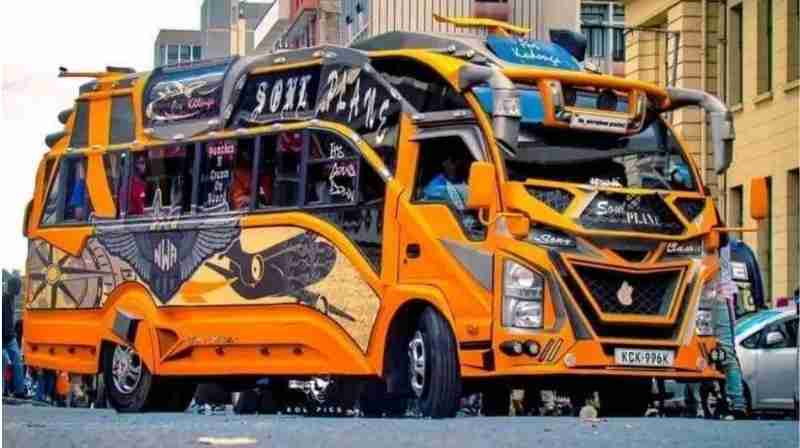
Transport officials have revealed plans to reduce congestion at busy matatu stages in Nairobi by replacing smaller 14-seater vehicles with larger minibuses.

Speaking on Spice FM, Mutheu highlighted that Nairobi currently has about 15,000 matatus operating across 50 routes, with the majority being 14-seaters. Nationally, Kenya has roughly 80,000 Public Service Vehicles (PSVs), most concentrated in urban centers.

The initiative, discussed with stakeholders including the Nairobi Metropolitan Area Transport Authority (NAMATA), proposes that instead of ten 14-seater matatus at a stage, only four 33-seater minibuses would operate. Mutheu supports this change, citing Nairobi’s growing population as a key factor.

ALSO READ Transport Sector Watches Closely After Arrest of Top Fuel Officials

While the plan could streamline city transport, it has raised concerns about job losses, as fewer drivers and conductors will be required. The matatu industry employs over 1 million people nationwide, and authorities say they are considering measures to protect workers during the transition.

Mutheu also emphasized the financial significance of the sector, which generates approximately Ksh5 billion daily. She noted that about 30 percent of this revenue is lost to corruption and stressed the need for stronger regulation, improved infrastructure, and adoption of cashless payment systems across all matatus.

She pointed out that regulatory gaps make enforcement challenging, noting that not all Sacco members comply with rules. A clear policy framework is necessary to ensure smooth implementation of the cashless system.

The official also highlighted untapped potential for advertising within matatus, particularly through in-vehicle TVs, and called for a national dialogue to restructure the industry to meet the country’s transport needs efficiently.

Commuter Impact: Residents may notice fewer, but larger, matatus at major stages, which could mean faster boarding and fewer trips for crowded routes. Commuters should anticipate changes in stage operations, plan for alternate travel times, and stay updated through Sacco notices or Nairobi transport alerts.

Source: Spice FM
Hot this week

Could Ebola Bring Back Lockdowns? How Nairobi Commuters Should Prepare

Kenya’s Ebola cases have reached seven. Here are the symptoms to know, how to protect yourself on public transport, and why commuters should plan quietly for the possibility of movement restrictions.

Why You Must Get Out of Your Car on the Likoni Ferry: 5 Reasons That Might Surprise You

Passengers crossing the Likoni Channel are required to leave their vehicles, but why? From the danger of sinking cars to insurance complications and emergency evacuations, here are five reasons behind this important ferry safety rule. Copy

Delta’s Premium Seats Now Out-Earn Economy. Kenya Airways Has 30 Per Dreamliner.

Delta Air Lines is betting on premium passengers with 101 premium seats on its new Airbus A350-1000. Kenya Airways operates just 30 business-class seats on each Dreamliner. Could the American airline's strategy offer lessons for Kenya's national carrier? Copy

Government Raises Fuel Prices, Matatus Raise Fares — And Kenyans Are Expected to Pay for Everyone’s Failures

The government has increased fuel prices, and matatu owners now want fares raised by 10%. But who is protecting commuters? Metros Kenya examines the role of the government, EPRA, the Ministry of Transport and matatu operators in Kenya's growing transport costs.

You Could Be Fined or Even Jailed on Kenya’s SGR for These 5 Surprising Things — Number 3 Might Shock You

Did you know that certain actions aboard Kenya's Madaraka Express could attract fines or even imprisonment? Discover five surprising SGR passenger rules, from ticket transfers and First Class seating to prohibited items and emergency equipment.

Topics

Could Ebola Bring Back Lockdowns? How Nairobi Commuters Should Prepare

Kenya’s Ebola cases have reached seven. Here are the symptoms to know, how to protect yourself on public transport, and why commuters should plan quietly for the possibility of movement restrictions.

Why You Must Get Out of Your Car on the Likoni Ferry: 5 Reasons That Might Surprise You

Passengers crossing the Likoni Channel are required to leave their vehicles, but why? From the danger of sinking cars to insurance complications and emergency evacuations, here are five reasons behind this important ferry safety rule. Copy

Delta’s Premium Seats Now Out-Earn Economy. Kenya Airways Has 30 Per Dreamliner.

Delta Air Lines is betting on premium passengers with 101 premium seats on its new Airbus A350-1000. Kenya Airways operates just 30 business-class seats on each Dreamliner. Could the American airline's strategy offer lessons for Kenya's national carrier? Copy

Government Raises Fuel Prices, Matatus Raise Fares — And Kenyans Are Expected to Pay for Everyone’s Failures

The government has increased fuel prices, and matatu owners now want fares raised by 10%. But who is protecting commuters? Metros Kenya examines the role of the government, EPRA, the Ministry of Transport and matatu operators in Kenya's growing transport costs.

You Could Be Fined or Even Jailed on Kenya’s SGR for These 5 Surprising Things — Number 3 Might Shock You

Did you know that certain actions aboard Kenya's Madaraka Express could attract fines or even imprisonment? Discover five surprising SGR passenger rules, from ticket transfers and First Class seating to prohibited items and emergency equipment.

Bolt Launches Bolt Plus in Kenya: What KSh 280 Monthly Subscription Means for Passengers

Bolt has launched Bolt Plus in Kenya, offering up to 10% ride cashback, priority driver matching and free deliveries for KSh 280 monthly. Here is what passengers should know.

Tax-Funded Kenya Met Warned of El Niño, Nairobi Prepared for Floods — Now Commuters Are Asking Google Where the Rain Went

Kenya Met's El Niño warnings prompted Nairobi County to prepare for possible flooding. But with sunshine over the capital, questions are emerging about forecast communication, the proposed KSh 5.17 billion flood-response funding and whether commuters should consult Google Weather.

Standing in an Electric Bus Is Not Overloading: BasiGo’s Francis Explains What Many Kenyans Still Don’t Understand About City Buses

Why do some electric buses allow standing passengers? BasiGo's Francis Mungai explains passenger-load testing, ventilation, battery safety and the differences between city buses and conventional diesel matatus in Kenya.

Related Articles

Popular Categories

spot_imgspot_img