
The ambitious Nairobi Railway City project is under intense scrutiny after allegations of procurement irregularities and the removal of key technical staff surfaced, raising concerns over transparency and potential project delays.
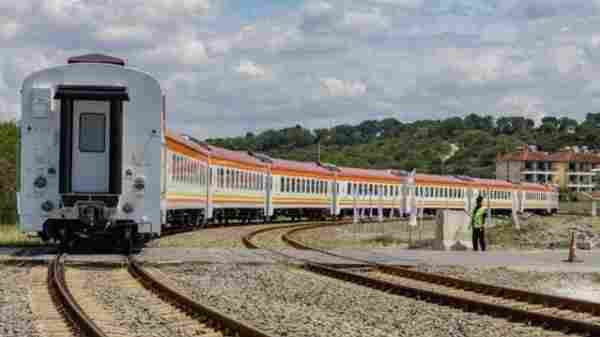
At the center of the debate is a claimed Sh7 billion cost difference between competing bids for the development. The project, a 425-acre urban regeneration of Nairobi’s central business district, is designed to integrate bus rapid transit, commuter rail, and the standard gauge railway linking to Jomo Kenyatta International Airport, with the goal of serving up to 400,000 passengers daily by 2030.
Former Deputy President Rigathi Gachagua has alleged that the initial bid of Sh22 billion, submitted by a subsidiary of China Railway, was overlooked in favor of a Sh29 billion proposal, creating a significant financial gap. Additionally, there are claims that technical staff from the lower-bidding firm were deported, raising fears of administrative interference, though these claims remain unverified.
The financial stakes are high. In a tight fiscal environment with mounting public debt, an unexplained Sh7 billion difference could have serious implications for government spending and investor confidence. Civil society, local engineers, and contractors are watching closely, knowing any delay could stall job creation and economic activity around the site.
Infrastructure projects in Kenya are governed by the Public Procurement and Asset Disposal Act, which requires contracts to be awarded fairly, transparently, and cost-effectively. Allegations of irregularities not only risk legal challenges but could also jeopardize international support, including funding from the UK-Kenya Strategic Partnership, which backs the project on strict governance standards.
Experts note that deportation of skilled personnel—whether for regulatory reasons or other motives—can halt progress, inflate costs, and push timelines further. Kenya’s infrastructure sector has seen similar disputes in previous rail projects, where single-source bidding and reliance on foreign financing triggered prolonged legal battles.
As political debates intensify, the Ministry of Public Works and Kenya Railways face pressure to clarify the procurement process. Transparency is key to restoring public trust and ensuring that Railway City lives up to its promise as a modern transit and urban hub rather than becoming a cautionary tale of political interference and stalled development.
For Nairobi residents and businesses, every week of delay is lost opportunity. The coming months will be critical in determining whether Railway City will move forward as a flagship urban project or stall amid controversy.