

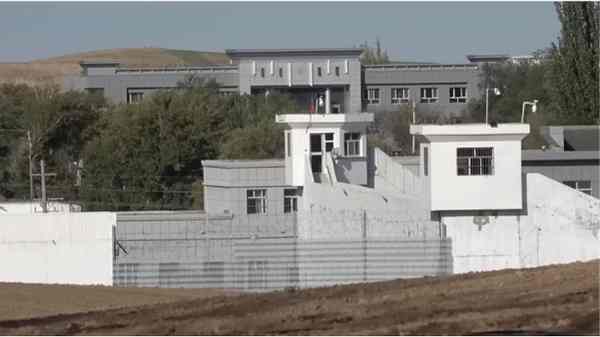

Source: NPR
A Chinese filmmaker who secretly recorded footage from China’s Xinjiang region is now fighting to stay in the United States after fleeing the country in a desperate journey by sea, according to NPR.
Dangerous Escape From China
Guan Heng, 38, comes from north-central China, a landlocked area far from the ocean. In October 2021, fearing arrest by Chinese authorities, he bought a small inflatable boat in the Bahamas and sailed alone to Florida.
ALSO READ: Khaby Lame Sells TikTok Company for $975 Million, Stays in Control
Guan had no boating experience and suffered severe seasickness during the journey. Despite this, he reached Florida after about 23 hours at sea.
According to Human Rights in China, a U.S.-based advocacy group, Guan believed his life was in danger after he filmed and later published a 20-minute video showing heavy security and suspected detention sites in China’s Xinjiang region.
Why He Fled
Guan became interested in reports by international media about the detention of Uyghurs and other minority groups in Xinjiang. In 2020, he traveled to the region and secretly filmed hours of footage showing what appeared to be detention camps and intense surveillance.
He did not publish the video while still in China. In July 2021, he left the country, first flying to Ecuador, which at the time allowed Chinese citizens to enter without a visa. He later traveled to the Bahamas, where he bought the inflatable boat used to reach the U.S., his lawyer told NPR.
Arrest and Detention in the U.S.
After arriving in the United States, Guan applied for asylum and was granted a work permit. He supported himself by driving Uber and doing casual jobs.
However, in August 2025, U.S. Immigration and Customs Enforcement (ICE) arrested him during a raid at his residence. His lawyer said ICE was initially searching for Guan’s roommate, and that Guan was detained due to “bad luck.”
The Department of Homeland Security told NPR that Guan entered the U.S. illegally and that his claims would be reviewed by an immigration judge.
Asylum Case Still Pending
This week, Guan appeared via video link before an immigration court in upstate New York. His asylum case has not yet been decided.
If his application is denied, U.S. authorities could deport him to Uganda, even though he is not from there. Such third-country deportations were approved by the U.S. Supreme Court in July. A second hearing in Guan’s case is scheduled for January 12.
Human Rights Concerns
Human rights groups say Guan should be protected as a whistleblower. Democratic Congressman Raja Krishnamoorthi wrote to the U.S. Homeland Security Secretary, saying Guan’s case is “a textbook example of why asylum exists.”
Guan’s family says Chinese authorities questioned them after he left China and published the Xinjiang footage. His mother, Luo Yun, who lives in Taiwan, told NPR that every family member has been investigated.
“My son is young, and his life is still ahead of him,” she said. “He has no way to go back.”
China has repeatedly denied allegations of human rights abuses in Xinjiang but remains highly sensitive to leaks and international criticism, NPR reports.