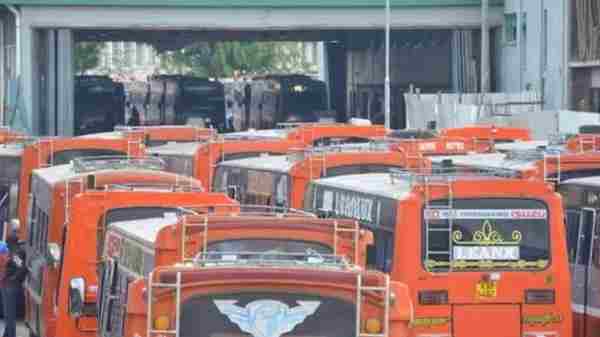
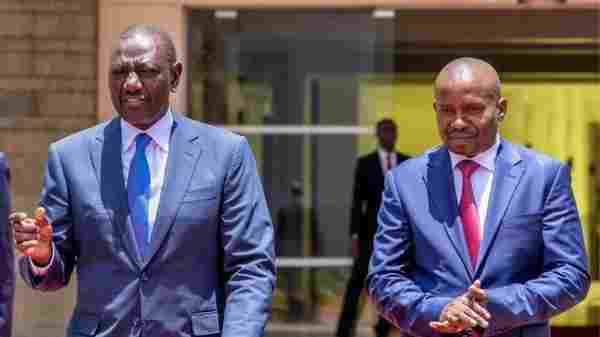
🔵 LIVE UPDATE: Ruto Directs Kindiki-Led Team to Engage Matatu Owners, Manufacturers Amid Fuel Price Protests


Nairobi & National Update — Fuel Price Crisis Response

The government has moved to open urgent talks with transport operators and industry players following rising fuel prices and ongoing protests affecting public transport and economic activity.

ALSO READ LIVE UPDATE: Traffic Restored in Several Areas as Strike Disruptions Continue

Deputy President Kithure Kindiki has confirmed that President William Ruto has directed a high-level government team to engage stakeholders in the petroleum and transport sectors.

The discussions will focus on stabilizing the fuel situation and reducing disruption across the economy.


LIVE BREAKDOWN: What Is Happening
  1. Government talks activated
    • A Kindiki-led team of officials and Cabinet Secretaries has been tasked with urgent consultations.
  2. Stakeholders invited
    • Matatu owners and operators
    • Vehicle manufacturers
    • Petroleum-dependent industries
  3. Core agenda
    • Address rising fuel costs
    • Explore short-term stabilization measures
    • Prevent further disruption of transport systems

Context: Why This Is Happening
  • Fuel price increases have triggered nationwide tension and protests.
  • Public transport systems, especially matatus, have been heavily affected.
  • Government links part of the price pressure to global geopolitical instability impacting oil markets.

Key Government Position
  • The Deputy President urged calm and warned against violence or destruction of property.
  • He described the fuel price surge as a global issue, not purely domestic.
  • Government maintains that earlier interventions helped cushion consumers, including:
    • Reduced VAT on petroleum products (16% → 8%)
    • Fuel price stabilization measures

Economic Claims from Government
  • Officials claim fuel prices had previously dropped significantly before recent global shocks.
  • They argue that without interventions, prices could have escalated far higher.
  • The National Infrastructure Fund (approx. KSh 350 billion) is expected to support long-term energy, water, and infrastructure projects.

Security & Public Order Warning
  • Authorities have cautioned against:
    • Violent protests
    • Looting
    • Economic sabotage
  • The government says instability could worsen economic strain if disruptions continue.

What to Watch Next
  • Outcome of government–matatu stakeholder meeting
  • Possible fuel pricing adjustments or subsidies
  • Response from transport unions and SACCOs
  • Impact on Nairobi commuter flow in coming days

SOURCE CITIZEN DIGITAL
Hot this week

Government Raises Fuel Prices, Matatus Raise Fares — And Kenyans Are Expected to Pay for Everyone’s Failures

The government has increased fuel prices, and matatu owners now want fares raised by 10%. But who is protecting commuters? Metros Kenya examines the role of the government, EPRA, the Ministry of Transport and matatu operators in Kenya's growing transport costs.

You Could Be Fined or Even Jailed on Kenya’s SGR for These 5 Surprising Things — Number 3 Might Shock You

Did you know that certain actions aboard Kenya's Madaraka Express could attract fines or even imprisonment? Discover five surprising SGR passenger rules, from ticket transfers and First Class seating to prohibited items and emergency equipment.

Bolt Launches Bolt Plus in Kenya: What KSh 280 Monthly Subscription Means for Passengers

Bolt has launched Bolt Plus in Kenya, offering up to 10% ride cashback, priority driver matching and free deliveries for KSh 280 monthly. Here is what passengers should know.

Tax-Funded Kenya Met Warned of El Niño, Nairobi Prepared for Floods — Now Commuters Are Asking Google Where the Rain Went

Kenya Met's El Niño warnings prompted Nairobi County to prepare for possible flooding. But with sunshine over the capital, questions are emerging about forecast communication, the proposed KSh 5.17 billion flood-response funding and whether commuters should consult Google Weather.

Standing in an Electric Bus Is Not Overloading: BasiGo’s Francis Explains What Many Kenyans Still Don’t Understand About City Buses

Why do some electric buses allow standing passengers? BasiGo's Francis Mungai explains passenger-load testing, ventilation, battery safety and the differences between city buses and conventional diesel matatus in Kenya.

Topics

Government Raises Fuel Prices, Matatus Raise Fares — And Kenyans Are Expected to Pay for Everyone’s Failures

The government has increased fuel prices, and matatu owners now want fares raised by 10%. But who is protecting commuters? Metros Kenya examines the role of the government, EPRA, the Ministry of Transport and matatu operators in Kenya's growing transport costs.

You Could Be Fined or Even Jailed on Kenya’s SGR for These 5 Surprising Things — Number 3 Might Shock You

Did you know that certain actions aboard Kenya's Madaraka Express could attract fines or even imprisonment? Discover five surprising SGR passenger rules, from ticket transfers and First Class seating to prohibited items and emergency equipment.

Bolt Launches Bolt Plus in Kenya: What KSh 280 Monthly Subscription Means for Passengers

Bolt has launched Bolt Plus in Kenya, offering up to 10% ride cashback, priority driver matching and free deliveries for KSh 280 monthly. Here is what passengers should know.

Tax-Funded Kenya Met Warned of El Niño, Nairobi Prepared for Floods — Now Commuters Are Asking Google Where the Rain Went

Kenya Met's El Niño warnings prompted Nairobi County to prepare for possible flooding. But with sunshine over the capital, questions are emerging about forecast communication, the proposed KSh 5.17 billion flood-response funding and whether commuters should consult Google Weather.

Standing in an Electric Bus Is Not Overloading: BasiGo’s Francis Explains What Many Kenyans Still Don’t Understand About City Buses

Why do some electric buses allow standing passengers? BasiGo's Francis Mungai explains passenger-load testing, ventilation, battery safety and the differences between city buses and conventional diesel matatus in Kenya.

Kenya Recruits for Electric Rail as Siemens Lands 350km/h Train Deal

Kenya Railways is recruiting specialists for Nairobi's electric commuter rail project as Siemens Mobility moves ahead with 350km/h high-speed trains in Vietnam. The two projects reveal how far Kenya has come—and what separates electric commuter rail from a true bullet train.

Nairobi Drainage Crisis Highlights Long-Standing Infrastructure and Planning Gaps

By Kipchumba LawiA report submitted to Metros by Kipchumba...

Related Articles

Popular Categories

spot_imgspot_img