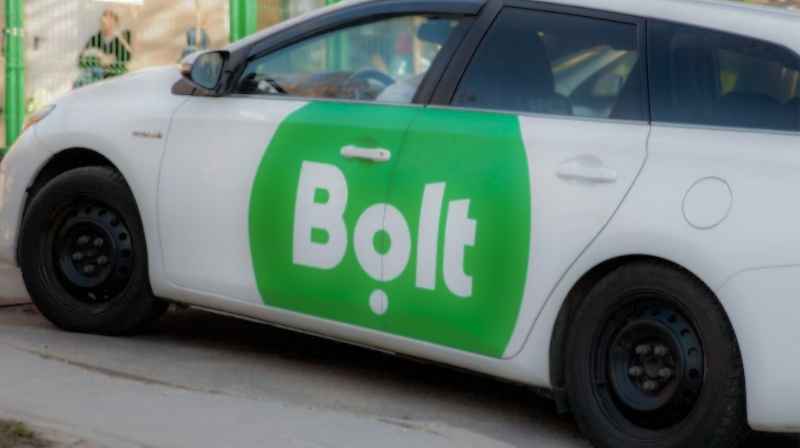

Ride-hailing company Bolt has launched Bolt Plus in Kenya, introducing a subscription service that offers passengers cashback on rides, priority driver matching, free ride cancellations and food delivery benefits for a monthly fee of KSh 280.
The service was unveiled on Thursday, October 15, 2026, in Westlands, Nairobi, as the company moves to reward frequent customers and strengthen its position in Kenya’s increasingly competitive ride-hailing market.
Unlike traditional ride discounts, Bolt Plus operates through a paid membership model, allowing passengers to accumulate rewards from eligible journeys and access additional services through the Bolt and Bolt Food applications.
ALSO READ: Nairobi Matatu Routes: Complete Guide to Routes and Transport Connections
How Much Does Bolt Plus Cost in Kenya?
Bolt Plus costs KSh 280 per month, although the company has introduced promotional subscription rates to attract customers.
New subscribers are eligible for a one-month free trial, followed by an introductory monthly rate of KSh 119 for the first six months under the launch offer.
Customers can also choose an introductory annual subscription costing KSh 899, equivalent to approximately KSh 75 per month.
However, passengers should check the applicable renewal charges before subscribing, as promotional prices are offered for limited periods.
Bolt Plus Offers Up to 10% Cashback on Rides
One of the main benefits of Bolt Plus is cashback on eligible rides.
Passengers booking Bolt Basic rides receive 5% cashback, while those using Premium, Comfort and Business categories qualify for 10% cashback.
The rewards are credited directly to the passenger’s Bolt Balance and can be used to pay for future journeys.
This means the cashback does not necessarily reduce the fare of the current trip but instead provides credit towards subsequent rides.
For example, a passenger spending KSh 6,000 monthly on eligible Bolt Basic rides could accumulate KSh 300 in cashback.
After deducting the standard monthly subscription fee of KSh 280, the passenger would receive a net benefit of KSh 20 from cashback alone, provided the entire reward is redeemed.
A passenger spending KSh 10,000 monthly on the same category could receive KSh 500 in cashback, representing KSh 220 above the standard subscription cost.
The potential savings increase for passengers who regularly use ride categories offering 10% cashback.
Priority Driver Matching and Free Cancellations
Bolt Plus subscribers will also benefit from priority driver matching, including during periods of high demand.
According to Bolt, the feature is intended to help members secure drivers faster, particularly when demand increases during peak commuting hours.
However, priority matching does not guarantee immediate vehicle availability, as waiting times will still depend on the number of active drivers and prevailing traffic conditions.
Subscribers will additionally receive three free ride cancellations every month, giving them greater flexibility when travel plans change.
For passengers travelling to airports, reliable pickup times are particularly important, especially when departure schedules are fixed.
ALSO READ: What Happens When You Miss a Flight in Kenya? Passenger Rights and Airline Rules
Free Bolt Food Deliveries for Subscribers
The subscription also extends to Bolt Food, allowing members to access free delivery on eligible restaurant, grocery and retail orders.
Participating businesses will display a plus symbol within the application, while qualifying orders must meet the relevant purchase conditions.
According to Bolt, subscribers could save up to KSh 200 on eligible deliveries.
Members will also receive priority handling for qualifying food deliveries, potentially reducing waiting times for meals and other orders.
The benefits are intended to encourage customers to use Bolt’s transport and delivery services more frequently.
Bolt Says Drivers Will Not Lose Earnings
The introduction of cashback and discounted services raises questions about whether drivers and delivery couriers will absorb the cost of the new membership benefits.
Bolt has maintained that the subscription will not reduce driver or courier earnings.
Speaking during the launch, Bolt Food Kenya General Manager Ivy Njeri Maingi said Bolt and its partners would cover the costs associated with the programme.
The company expects the subscription to encourage customers to book more journeys and place additional orders, potentially increasing earning opportunities for drivers and couriers.
However, the actual impact on driver income will depend on whether the programme generates additional trips and deliveries.
Bolt Plus Enters Competition With Uber One
The launch places Bolt in more direct competition with Uber One, a similar subscription programme offered by rival ride-hailing company Uber.
Both services aim to retain customers by offering rewards and additional benefits to passengers who regularly use their platforms.
For Kenyan commuters, the competition introduces another way to access discounts and loyalty benefits.
However, it also raises questions about the growing use of paid subscriptions for everyday transport services.
Passengers who frequently compare prices across different ride-hailing applications may need to consider whether committing to one platform provides better value than choosing the cheapest available ride each time.
Is Bolt Plus Worth KSh 280 Per Month?
The value of Bolt Plus will largely depend on how frequently a passenger uses the service.
For someone who spends KSh 2,000 monthly on eligible Bolt Basic rides, the 5% cashback would amount to KSh 100, significantly below the standard KSh 280 subscription fee.
A passenger would need to spend approximately KSh 5,600 monthly on eligible Basic rides to recover the full subscription fee through 5% cashback alone.
For qualifying rides earning 10% cashback, the equivalent spending threshold would be KSh 2,800.
These calculations exclude potential savings from food deliveries, free cancellations and other membership benefits.
Passengers who regularly order food through Bolt Food may therefore recover their subscription costs faster than those who use the platform exclusively for occasional journeys.
What Happens When a Bolt Plus Subscription Expires?
According to Bolt’s official subscription terms, Bolt Plus memberships renew automatically unless cancelled.
Customers who sign up for a free trial or discounted promotional period should therefore monitor their renewal dates to avoid unexpected charges.
Subscriptions can be managed through the Bolt application, where passengers can review their membership details and cancellation options.
The company also states that membership benefits may vary depending on the city, service category and participating businesses.
What Bolt Plus Means for Kenya’s Urban Transport Market
The introduction of Bolt Plus reflects a growing shift towards subscription-based services in Kenya’s digital transport industry.
Instead of relying exclusively on individual fares and promotional discounts, ride-hailing companies are increasingly exploring loyalty programmes designed to encourage repeat usage.
For passengers in Nairobi and other Kenyan cities, the development could create additional opportunities to save on regular journeys.
However, the new subscription does not directly address broader urban mobility challenges such as traffic congestion, unreliable journey times and the affordability of daily commuting.
These challenges affect passengers across different modes of transport, including conventional public transport, electric buses and app-based mobility services.
ALSO READ: Airport Rules in Kenya: Passenger Laws, Security Rules and Traveller Guide
While Bolt Plus may offer financial benefits to frequent ride-hailing customers, its usefulness will ultimately depend on individual travel patterns and whether the rewards outweigh the recurring membership fee.
For Kenyan passengers, the important consideration is not simply how much cashback Bolt promises, but how much money remains saved after paying for the subscription.