

From rescuing a luxury convoy in Kinshasa to navigating Nairobi’s notorious traffic jams, Afriwide Executive Services founder Godfrey Nungari reveals the complex world of executive mobility, where planning, discretion and local knowledge matter more than the vehicle itself.
Three Mercedes-Benz S-Class vehicles had been arranged to transport a group of executives in Kinshasa, Democratic Republic of Congo. The client had specifically requested the luxury sedans, but Godfrey Nungari, founder of Afriwide Executive Services, was concerned about the road conditions.
His team had advised that the vehicles might not be suitable for the intended journey. The client insisted on the Mercedes-Benz S-Class.
Nungari agreed to the request, but made an unusual decision. He arranged for three Toyota Land Cruiser LC300 SUVs to follow the luxury convoy approximately five minutes behind.
Barely three or four kilometres into the journey, the client stopped the vehicles. The road conditions were making the journey uncomfortable, preventing the executives from concentrating on their work.
Within minutes, the Land Cruisers arrived. The executives transferred into the SUVs, and the Mercedes-Benz vehicles returned.
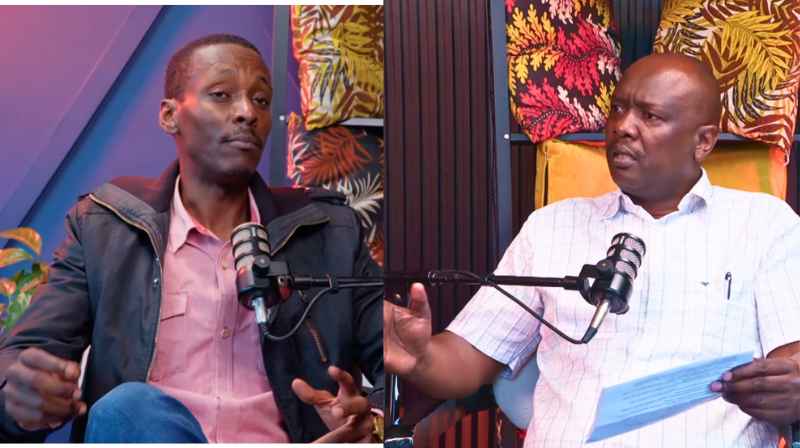
The incident, recounted by Nungari during an interview with Metros Kenya on Metros Exchange, illustrates an important reality about executive transportation in Africa: the most expensive vehicle is not necessarily the most suitable one.
For Nungari, the business is not simply about providing luxury cars. It is about anticipating problems, understanding local conditions and ensuring that executives can concentrate on their work while someone else manages the complexities of movement.
ALSO READ: Airport Rules in Kenya: Passenger Laws, Security Rules and Traveller Guide
Afriwide Executive Services operates in a specialised segment of the transportation industry, coordinating executive ground transportation, airport transfers, meet-and-assist services and operational support across African markets.
Its clientele includes corporate executives, international delegates, non-governmental organisations, VIPs, airline crews and participants attending business conferences and exhibitions.
But unlike ordinary passenger transportation, Nungari explains, much of the work happens before a traveller even enters a vehicle.
A company executive arriving in Nairobi from abroad may have several meetings scheduled across the city, a tight itinerary and little familiarity with local roads or airport procedures.
Afriwide begins by examining the itinerary and working backwards, determining the appropriate vehicle, routes, travel times, airport assistance requirements and any security arrangements.
The objective is to ensure that transportation does not become another responsibility for an executive already managing a demanding business schedule.
Behind the Scenes: Moving Executives Through Africa’s Airports and Cities
Consider an international executive whose flight lands at Jomo Kenyatta International Airport at 9 a.m., with an important business meeting scheduled in Westlands at 10 a.m.
Between immigration procedures, baggage collection, customs formalities and Nairobi’s unpredictable traffic, the journey presents a considerable logistical challenge.
Nungari says Afriwide coordinates airport meet-and-assist services, onward transportation and route planning to minimise unnecessary delays.
Depending on the airport and the service requested, assistance may begin at an aircraft arrival point or terminal and continue through the relevant passenger processing stages.
The company also coordinates lounge arrangements for travellers who need to freshen up, prepare for meetings or wait during transit.
Such services remain subject to airport security, immigration and customs requirements, and do not exempt travellers from mandatory procedures.
For Nungari, the central issue is ensuring that the different stages of a journey work together.
“So it’s not about A to B, get into the vehicle and leave. Behind the scenes, a lot of coordination, a lot of work is needed and done each and every time.”
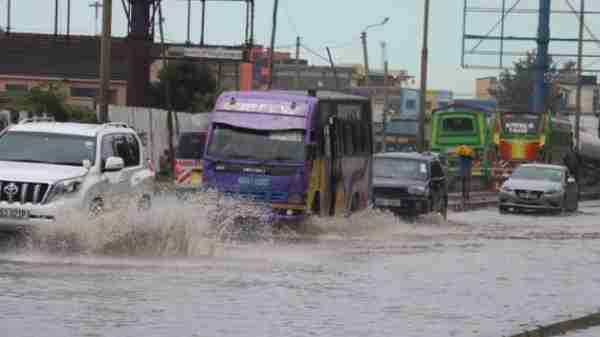
That coordination becomes particularly important in Nairobi, where traffic congestion can turn relatively short journeys into lengthy and unpredictable experiences.
During the interview, Metros Kenya asked how Afriwide manages executive movements in a city known for its traffic jams.
Nungari’s response was emphatic.
“Planning. It’s very, very vital. It’s a fundamental key to each and every service that takes place.”
He gave the example of an executive leaving Westlands for a 10 a.m. meeting in Lavington.
If the client requests a 9:30 a.m. pickup, but prevailing traffic conditions suggest that the journey will take longer, the operator must communicate the risk and recommend an earlier departure.
In this case, Nungari says, the company might suggest leaving at 9 a.m. instead.
The Nairobi Expressway may provide a practical alternative for certain airport journeys, but selecting the appropriate route requires knowledge of the destination, prevailing traffic conditions and the client’s schedule.
Nungari recalled another assignment involving a client travelling to Thika town.
Heavy congestion around the Thika roundabout and the intersection towards Makongeni threatened to delay the journey.
Rather than remain in traffic, the team used an alternative route to reach the client’s destination.
The incident reinforced his belief that executive transportation requires local knowledge that goes beyond simply following digital navigation instructions.
For Afriwide, the driver is also an important part of the operation.
Nungari says executive drivers must understand professional etiquette, defensive driving, customer service and discretion.
They must know when to engage passengers in conversation and when to allow them privacy, particularly when transporting senior executives who may be discussing confidential business matters.
“They need to know when to talk and when not to talk.”
Behind the driver, he says, another team monitors flight information, communicates with personnel on the ground and uses vehicle-tracking technology to maintain oversight of assignments.
The service therefore extends beyond the person behind the steering wheel to an entire operational network.
ALSO READ: Dropping Off and Picking Up Passengers at JKIA: Parking and Access Rules
The complexity becomes even greater during international conferences.
Discussing the Aviation Africa Summit 2026, Nungari estimated that more than 100 companies may have been involved in supporting the event’s wider transportation, accommodation, aviation and hospitality requirements.
The figure was his estimate rather than a verified count of participating service providers.
He explained that international delegates often require several interconnected services, including flight bookings, airport assistance, ground transportation, hotel arrangements and, in some cases, private aviation support.
For visitors unfamiliar with Nairobi, reliable transportation can determine whether they arrive at meetings and conference sessions on schedule.
Afriwide also works with affiliate companies when assignments exceed its direct operating capacity.
Nungari explained that such arrangements are not supposed to be improvised at the last minute. Partners must be vetted, their capabilities understood and working relationships established in advance.
If an assignment involves 100 delegates but the company can directly accommodate only 50, it may coordinate the remaining capacity through its established network.
The goal, he says, is to maintain consistent service standards regardless of how many providers are involved.
“You always have to be ready for anything that comes your way.”
Nungari also believes that responsiveness distinguishes executive transportation providers.
He recalled that, around 2019 and 2020, clients frequently praised Afriwide for responding to emails quickly.
Today, he says, the company aims to respond to requests within a minute, reflecting the expectations of international clients who often operate across multiple time zones and changing travel schedules.
His argument is that African transportation operators must combine international service expectations with an understanding of local business environments.
The distinction also becomes apparent when passengers leave personal belongings behind.
Nungari used the example of a forgotten laptop to explain the accountability he expects from executive transport personnel.
Afriwide drivers, he says, are required to check vehicles for belongings left by passengers. Any recovered items are reported and arrangements made for their return.
Where necessary, the company can coordinate the return of belongings to clients outside the country.
For Nungari, such procedures are essential to building trust, particularly among executives travelling with valuable equipment and sensitive business information.
Beyond Luxury: The Future of Executive Mobility in Africa
Although executive transportation is often associated with luxury vehicles, Nungari believes the industry is fundamentally about reliability, operational coordination and understanding what each client requires.
During the interview, Metros Kenya questioned whether Kenya has sufficient demand to support more companies specialising in executive mobility.
Nungari explained that demand fluctuates with business activity, international conferences, corporate events and seasonal travel patterns.
Some assignments involve local executives, while others are generated by international delegations visiting Kenya for meetings and exhibitions.
He also distinguished Afriwide’s business model from conventional tourism operations.
While the company may occasionally coordinate leisure-related travel for established clients, including visits to destinations such as the Maasai Mara, Zanzibar or Serengeti, its principal focus remains corporate transportation and operational support.
Nungari described Afriwide as an executive mobility, ground transportation and operational support business rather than a tour company.
That distinction is significant in a market where taxis, ride-hailing platforms, car-hire companies and executive transport operators may appear to provide similar services.
All can transport passengers between destinations, but Nungari argues that executive mobility involves a broader commitment to planning, accountability, discretion and coordination.
The conversation also turned to one of the most important developments in African transportation: the transition towards electric mobility.
As cities increasingly explore cleaner transportation technologies, Metros Kenya asked whether electric vehicles are becoming part of Afriwide’s operations.
Nungari confirmed that the company is gradually incorporating electric vehicle options through its network of affiliates and partners.
He mentioned Nigeria, Egypt and Morocco among the markets where the company is exploring or accessing electric transportation options.
“We are transitioning into that because in the near future, of course, we’re going to have most of the vehicles are going to be maybe electric.”
He believes electric vehicles could become increasingly relevant to executive transportation as the industry embraces cleaner and more efficient mobility.
For business travellers, electric vehicles can offer quieter journeys, smoother acceleration and zero tailpipe emissions, qualities that make them attractive for premium passenger transportation.
However, widespread adoption will depend on reliable charging infrastructure, vehicle availability, maintenance networks and the ability to accommodate demanding travel schedules.
In Nairobi, where electric buses, motorcycles and other electric vehicles are gradually changing the transportation landscape, the executive mobility sector represents another potential opportunity for cleaner transport.
For Afriwide, the transition is still developing, with partnerships providing access to vehicles in markets where direct availability remains limited.
The wider challenge is ensuring that cleaner transportation delivers the same reliability and flexibility expected by corporate clients.
Nungari’s experience in Kinshasa provides a fitting illustration of how he approaches the industry.
The client requested three luxury Mercedes-Benz vehicles. Afriwide anticipated that the terrain could create problems and positioned alternative vehicles nearby.
When the journey became uncomfortable, the executives were transferred into suitable SUVs without having to wait for an entirely new transport arrangement.
It was not the luxury vehicles that ultimately defined the service, but the preparation behind them.
As African cities expand, international business travel increases and cleaner mobility technologies gain ground, executive transportation providers face growing expectations.
For Nungari, the industry’s future will depend on the ability to combine international standards with practical local knowledge, professional drivers, reliable partnerships and increasingly sustainable transportation options.
The real value of executive mobility, he suggests, lies in making complicated journeys appear effortless.
And perhaps that is the ultimate measure of a successful executive transport service: when the passenger reaches the destination without ever knowing how much work went into getting them there.
ALSO READ: Can You Enter JKIA Without a Flight Ticket? Airport Access Rules Explained
This feature is based on an interview with Godfrey Nungari, founder of Afriwide Executive Services, on Metros Exchange, a Metros Kenya programme examining the people, businesses and technologies shaping transportation across Africa.