

Kenya’s transition toward electric mobility is no longer a future ambition—it is becoming a commercial reality. As more public transport operators, boda boda riders and delivery companies embrace electric vehicles (EVs), the question is shifting from whether the technology works to how much it actually costs to operate.
ALSO READ: Fuel Prices Are Changing Nairobi’s Commuting Habits, but Public Transport Still Has a Long Way to Go
From discounted electricity tariffs to innovative battery leasing models, Nairobi’s electric transport ecosystem has introduced pricing structures designed to make ownership more affordable while reducing operating expenses.
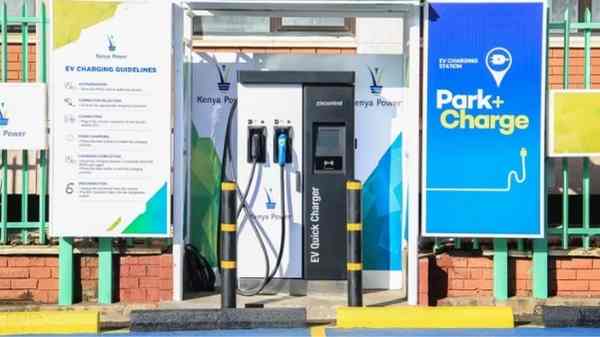
At the centre of this transformation is Kenya Power’s E-mobility tariff, a special electricity pricing plan created specifically for electric vehicle charging.
During peak hours, charging electricity costs KSh 16 per kilowatt-hour (kWh), while operators who charge during off-peak hours between 11:00 p.m. and 6:00 a.m. pay only KSh 8 per kWh. The discounted nighttime tariff encourages fleet operators to charge vehicles when electricity demand across the national grid is lower.
Electric buses adopt pay-per-kilometre model
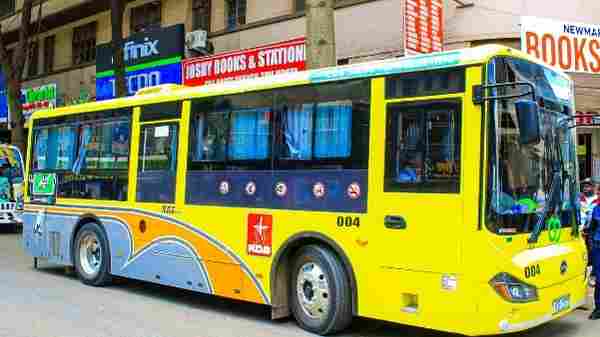
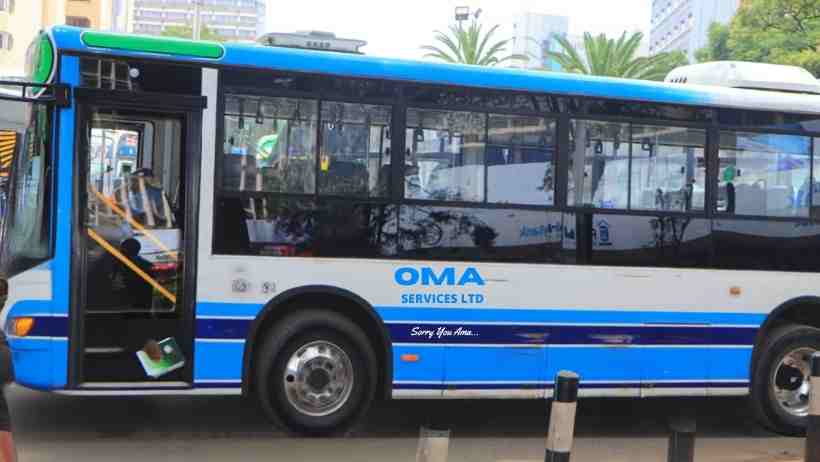
Unlike traditional diesel buses where operators purchase fuel every day, many electric bus providers have introduced subscription-based business models.
Rather than paying separately for electricity, maintenance and battery replacements, operators pay according to the distance travelled.
One popular option is the Pay-As-You-Drive model.
Under this arrangement, an operator purchases the bus chassis, which typically costs approximately KSh 5 million to KSh 5.5 million, comparable to a new diesel bus. Instead of buying the battery—which remains one of the most expensive components—the battery is leased from the provider.
The operator then pays KSh 44 per kilometre driven.
For operators who prefer not to purchase the vehicle at all, providers also offer a full bus leasing package. This requires a KSh 1 million security deposit and charges approximately KSh 70 per kilometre, covering both the vehicle and battery.
These kilometre-based payments generally include:
- Unlimited overnight charging at dedicated fast-charging depots.
- Routine servicing and preventive maintenance.
- Continuous battery monitoring and health management.
- Technical fleet support throughout the lease period.
The arrangement removes the uncertainty associated with battery degradation while making operating expenses predictable for fleet owners.
Battery swapping changes the economics for boda bodas
Electric motorcycles have taken a different approach.
Instead of requiring riders to wait while batteries recharge, companies have introduced Battery-as-a-Service (BaaS), allowing depleted batteries to be exchanged for fully charged ones within minutes.
Several pricing models are now available across Nairobi.
The most common is a fixed battery swap, where riders pay between KSh 250 and KSh 290 for a fully charged battery. Depending on riding conditions and motorcycle type, a single battery typically delivers 70 to 80 kilometres of range.
Some operators have introduced proportional billing, where riders only pay for the electricity they have actually used.
For example, a rider arriving with approximately half the battery remaining would pay around KSh 125 for a replacement battery instead of the full amount.
Heavy commercial users are also beginning to benefit from promotional subscription packages.
Certain battery-swapping networks now offer unlimited daily battery exchanges for approximately KSh 450, making the model attractive for delivery riders and boda boda operators covering long distances every day.
Lower operating costs drive adoption
Although electric vehicles generally require significant upfront investment, operators increasingly report meaningful savings once they begin daily operations.
Industry estimates suggest electric buses can reduce overall operating costs by approximately 30% to 40% compared with diesel-powered fleets.
For boda boda riders, battery swapping can reduce daily energy costs by approximately 35% to 45% compared with purchasing petrol, depending on daily mileage and prevailing fuel prices.
These savings are becoming increasingly important as transport operators face rising fuel costs and tighter operating margins.
Power tariffs support electric mobility
Kenya Power’s dedicated E-mobility tariff forms an important part of the country’s strategy to encourage cleaner transport.
By offering lower electricity prices—particularly during overnight charging hours—the utility is helping reduce the cost of operating electric vehicles while encouraging charging patterns that better balance demand across the national grid.
Combined with battery leasing, battery swapping and fleet subscription models, the pricing framework is lowering one of the biggest barriers to electric vehicle adoption: high upfront ownership costs.
As Nairobi expands its charging infrastructure and more manufacturers enter the market, these business models are expected to make electric buses and motorcycles increasingly competitive with conventional petrol and diesel vehicles, accelerating Kenya’s transition toward cleaner, lower-cost urban transport.