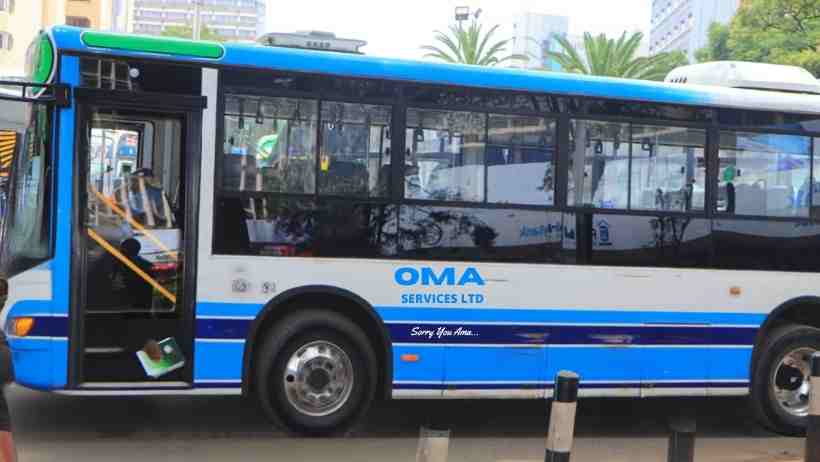
You Could Import This Electric City Bus or Matatu Duty Free in Kenya

President William Ruto announced that the first 100,000 electric vehicles imported into Kenya will be exempt from import duty as the government moves to accelerate the country’s transition to clean energy transport.

Speaking during a live address from State House Mombasa on Friday, Ruto said the tax exemption will apply to both privately owned electric vehicles and public service vehicles. He said the move is part of broader efforts to reduce Kenya’s dependence on fossil fuels and protect the country from continued global fuel price shocks.

The President said electric mobility is becoming an important part of Kenya’s long-term energy and transport strategy, adding that the government wants to encourage more people and businesses to switch to electric vehicles.

Government Push for Electric Mobility

Ruto also revealed that the government has already ordered 3,000 electric vehicles through the Ministry of Interior for use by security and administration officers across the country.

He said the government is working together with private investors to establish electric vehicle manufacturing plants locally in a bid to position Kenya as a regional hub for clean energy mobility.

According to the President, Kenya must continue embracing electric transport and renewable energy to reduce the country’s exposure to instability in the global fuel market.

Focus on Energy Security and Public Transport

Ruto further said Kenya is working with East African partner states and the private sector to commercialize oil reserves in Turkana and other parts of the region while also pursuing the development of a regional refinery.

He explained that the plans are aimed at reducing dependence on international fuel supply chains and improving the country’s long-term energy security.

The President added that the government is also accelerating investments in renewable energy, modern public transport systems and other energy infrastructure projects to help future generations avoid the impact of global fuel instability.

Hot this week

Tax-Funded Kenya Met Warned of El Niño, Nairobi Prepared for Floods — Now Commuters Are Asking Google Where the Rain Went

Kenya Met's El Niño warnings prompted Nairobi County to prepare for possible flooding. But with sunshine over the capital, questions are emerging about forecast communication, the proposed KSh 5.17 billion flood-response funding and whether commuters should consult Google Weather.

Standing in an Electric Bus Is Not Overloading: BasiGo’s Francis Explains What Many Kenyans Still Don’t Understand About City Buses

Why do some electric buses allow standing passengers? BasiGo's Francis Mungai explains passenger-load testing, ventilation, battery safety and the differences between city buses and conventional diesel matatus in Kenya.

Kenya Recruits for Electric Rail as Siemens Lands 350km/h Train Deal

Kenya Railways is recruiting specialists for Nairobi's electric commuter rail project as Siemens Mobility moves ahead with 350km/h high-speed trains in Vietnam. The two projects reveal how far Kenya has come—and what separates electric commuter rail from a true bullet train.

Nairobi Drainage Crisis Highlights Long-Standing Infrastructure and Planning Gaps

By Kipchumba LawiA report submitted to Metros by Kipchumba...

Topics

Tax-Funded Kenya Met Warned of El Niño, Nairobi Prepared for Floods — Now Commuters Are Asking Google Where the Rain Went

Kenya Met's El Niño warnings prompted Nairobi County to prepare for possible flooding. But with sunshine over the capital, questions are emerging about forecast communication, the proposed KSh 5.17 billion flood-response funding and whether commuters should consult Google Weather.

Standing in an Electric Bus Is Not Overloading: BasiGo’s Francis Explains What Many Kenyans Still Don’t Understand About City Buses

Why do some electric buses allow standing passengers? BasiGo's Francis Mungai explains passenger-load testing, ventilation, battery safety and the differences between city buses and conventional diesel matatus in Kenya.

Kenya Recruits for Electric Rail as Siemens Lands 350km/h Train Deal

Kenya Railways is recruiting specialists for Nairobi's electric commuter rail project as Siemens Mobility moves ahead with 350km/h high-speed trains in Vietnam. The two projects reveal how far Kenya has come—and what separates electric commuter rail from a true bullet train.

Nairobi Drainage Crisis Highlights Long-Standing Infrastructure and Planning Gaps

By Kipchumba LawiA report submitted to Metros by Kipchumba...

Beyond Luxury Cars: How Afriwide Is Redefining Executive Transportation Across Africa

Afriwide Executive Services founder Godfrey Nungari explains the hidden logistics of executive transportation across Africa, from Nairobi's traffic challenges and airport transfers to luxury convoys, professional drivers and the future of electric mobility.

From Nairobi CBD to Talanta by Train: Inside the New AFCON Rail Link

Football fans travelling to Talanta Sports City during AFCON...

Related Articles

Popular Categories

spot_imgspot_img