

Kenya has revised the electricity tariff structure for electric mobility as rapidly growing numbers of electric buses, motorcycles, cars and commercial fleets place increasing demand on the national grid.
The Energy and Petroleum Regulatory Authority (EPRA) has amended the tariff framework introduced in 2023, replacing the previous fixed monthly consumption ceiling for e-mobility customers with a system that takes an operator’s actual electricity consumption into account.
The change comes as electricity consumed by Kenya’s electric mobility sector rises sharply alongside the expansion of electric vehicle fleets and charging infrastructure.
According to figures reported by Citizen Digital, citing Kenya Power and regulatory data, electricity sales to the e-mobility sector increased from about 13,500 kWh in July 2023 to more than 1.5 million kWh in April 2026.
The figures demonstrate how quickly electric transport is moving from a relatively small experiment into a significant new electricity customer category.
Kenya’s EV electricity consumption is rising rapidly
The growth becomes even clearer when annual electricity consumption is considered.
Citizen Digital reports that Kenya Power recorded approximately 8.43 million kWh of electricity consumption from the e-mobility sector in 2025, compared with about 2.92 million kWh in 2024.
Revenue from EV charging consequently increased from approximately KSh64.8 million to KSh125.9 million over the same period.
EPRA statistics covering July to December 2025 similarly showed e-mobility electricity consumption increasing from 1.81 GWh during the comparable earlier period to 4.57 GWh.
Despite that rapid expansion, electric mobility still represented only a small fraction of Kenya’s overall electricity consumption.
The direction of travel, however, is becoming increasingly clear.
More electric vehicles mean more charging. More charging means greater electricity consumption. And commercial fleets can consume substantially more electricity than an individual privately owned EV.
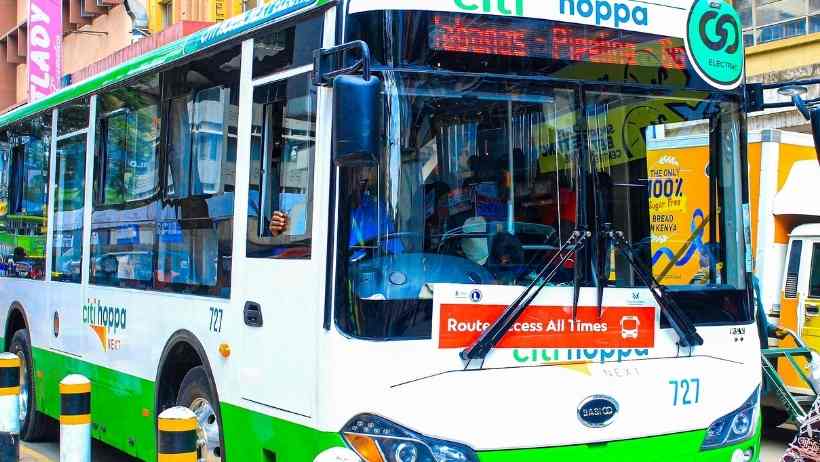
That is particularly relevant as companies such as BasiGo expand electric public transport in Kenya.
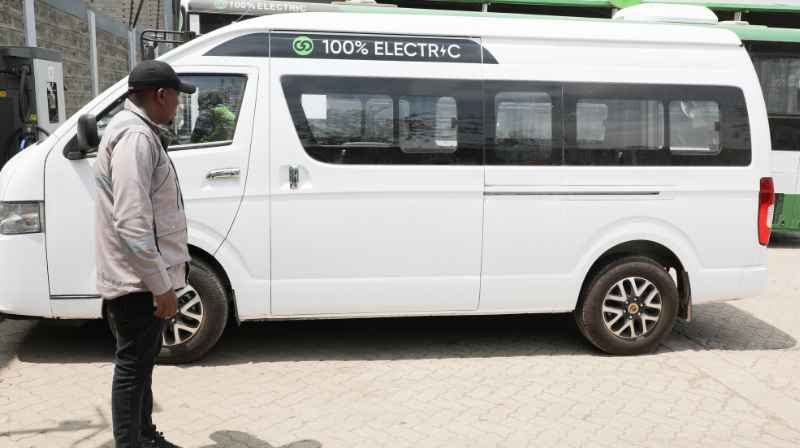
Metros recently went inside the BasiGo Golden Dragon electric van, where Fleet Manager Francis Mungai explained how smaller electric passenger vehicles are now being marketed to SACCOs, schools and other fleet operators.
Why the old 15,000 kWh limit became a problem
Under the electricity tariff structure introduced in 2023, qualifying e-mobility customers were charged KSh16 per kWh during peak periods and KSh8 per kWh during off-peak periods, subject to a monthly consumption ceiling of 15,000 kWh.
The discounted off-peak electricity price was intended partly to encourage charging when demand elsewhere on the electricity network was lower.
But the 15,000 kWh ceiling increasingly presented a problem as charging businesses and commercial electric fleets grew.
A small charging operation might comfortably remain below the threshold.
A depot charging multiple electric buses every day could consume considerably more.
That meant the tariff originally intended to encourage electric mobility risked becoming less suitable as the very industry it was designed to support became larger.
EPRA replaces fixed ceiling with consumption threshold
That system has now been revised.
Citizen Digital reports that an EPRA Gazette notice dated September 18, 2026, amended the tariff arrangements applying to e-mobility customers supplied and metered at 240 or 415 volts.
Instead of relying on the previous fixed 15,000 kWh ceiling, the revised framework introduces an Energy Consumption Threshold.
For existing customers, the threshold is calculated using average consumption during the previous six consecutive months.
New customers establish their baseline using their first three consecutive months of consumption.
Electricity consumed above the applicable threshold can then qualify for the discounted Time-of-Use tariff, subject to the relevant conditions.
In practical terms, the change makes the tariff more responsive to the size and electricity requirements of individual operators instead of imposing the same fixed ceiling on every e-mobility business.
Why this matters for electric buses
The change could be particularly important for electric public transport.
A large electric bus consumes far more electricity than an electric motorcycle.
A depot operating several buses may therefore require substantial amounts of electricity every month.
As fleets expand, charging infrastructure has to expand with them.
Metros has previously examined how BasiGo tests electric buses in Kenya, including real-world testing involving passenger loads, range, braking and suspension.
The same expansion is now reaching smaller passenger vehicles.
Electric vans and matatus are being tested and deployed on routes extending beyond Nairobi, opening another potential source of commercial charging demand.
If dozens of electric vehicles are eventually charging from the same depot, the economics of electricity become a fundamental part of the economics of operating the fleet.
Charging at night could become increasingly important
Time-of-Use electricity pricing is particularly relevant to fleet operators because vehicles do not necessarily need to charge during the busiest periods of electricity demand.
A school vehicle, staff shuttle or commuter bus that finishes operating in the evening could potentially charge overnight and return to service the following morning.
Citizen Digital reports that the discounted structure maintains an off-peak rate of KSh8 per kWh, subject to applicable tariff conditions.
This creates an incentive for fleet operators to move significant charging demand into periods when the electricity system has more available capacity.
For Kenya Power, electric mobility therefore presents something unusual: a rapidly expanding transport industry that is simultaneously becoming a new electricity market.
Nairobi remains at the centre of EV electricity demand
Nairobi currently dominates much of Kenya’s electric mobility activity.
According to the figures reported by Citizen Digital, the capital accounted for approximately 71 per cent of cumulative e-mobility electricity revenue recorded by Kenya Power over a 34-month period.
That is not surprising.
Nairobi has the country’s greatest concentration of commercial transport activity, electric bus operations, delivery fleets and charging infrastructure.
It is also home to an enormous public transport market documented through the Metros Nairobi Matatu Routes and Numbers database and Nairobi Matatu SACCOs, Routes and Destinations directory.
Even relatively modest electrification of those fleets could eventually create significant additional electricity demand.
But charging infrastructure still has to catch up
Electricity pricing is only one side of the transition.
Drivers and operators also need somewhere to charge.
Citizen Digital, citing industry and regulatory figures, reports that Kenya had an estimated 300 charging points nationally as of June 2025, while Kenya Power has been expanding charging infrastructure into additional counties and transport corridors.
The gap between vehicle adoption and charging availability remains one of the biggest practical questions surrounding Kenya’s electric mobility transition.
For public transport operators, this is particularly important.
A private EV can spend several hours parked.
A commercial vehicle earns money when it is moving passengers or goods.
Every hour spent waiting unnecessarily for charging can therefore affect the economics of the business.
This is why charging speed, charger availability and depot location increasingly matter alongside battery range.
Kenya’s electric mobility transition is spreading beyond cars
The Kenyan EV story is also increasingly different from the electric vehicle transition seen in some wealthier markets.
Here, motorcycles and commercial transport vehicles are playing a major role.
Electric boda bodas, buses, vans and other fleet vehicles can accumulate substantial daily mileage, potentially replacing considerably more petrol or diesel consumption than a lightly used private car.
BasiGo’s expansion into smaller electric passenger vans illustrates how quickly the market is diversifying.
During a recent Metros inspection of the Golden Dragon electric van, Mungai said the company had already sold several units, with schools and SACCOs among the potential markets.
That means the electricity tariff question is no longer relevant only to a handful of pioneering electric bus operators.
As more commercial fleets electrify, charging electricity becomes a transport operating cost.
Government incentives remain part of the equation
Kenya has also been using tax policy to encourage electric mobility.
Electric buses, motorcycles, bicycles, batteries and other components have benefited from various tax incentives intended to encourage adoption and local assembly.
The Finance Act 2026 retained zero-rating for key e-mobility products after Parliament rejected proposals that would have changed the VAT treatment of some electric mobility components, according to Citizen Digital.
That distinction matters particularly for local manufacturers and assemblers because VAT treatment can affect whether businesses recover taxes paid on production inputs.
The government has simultaneously promoted local assembly as part of its wider electric mobility strategy.
The result is an EV transition being shaped by several policies at once: electricity tariffs, taxation, local manufacturing, charging infrastructure and public transport regulation.
Electric mobility is becoming an electricity story
Perhaps the most significant part of the new tariff structure is what prompted it.
Kenya’s EV sector is consuming enough electricity for the regulator to redesign how that electricity is priced.
A few years ago, electric mobility represented a tiny experimental market.
Now electric buses are carrying passengers, electric motorcycles are entering commercial fleets, smaller electric vans are reaching schools and SACCOs, charging stations are expanding beyond Nairobi and electricity consumption from the sector is rising rapidly.
The numbers remain small compared with Kenya’s entire electricity market.
But their growth is no longer small.
For Kenya Power, every petrol or diesel vehicle replaced by an EV potentially creates a new electricity customer.
For transport operators, electricity prices increasingly become as important as fuel prices.
And for commuters, the transition could eventually change something even more familiar: what powers the matatu, bus or boda boda carrying them to work each morning.
This article is based in part on electricity consumption, tariff and EV-sector figures originally reported by Vincent Obadha for Citizen Digital on September 22, 2026, alongside Metros Kenya’s previous reporting on electric public transport in Kenya.