
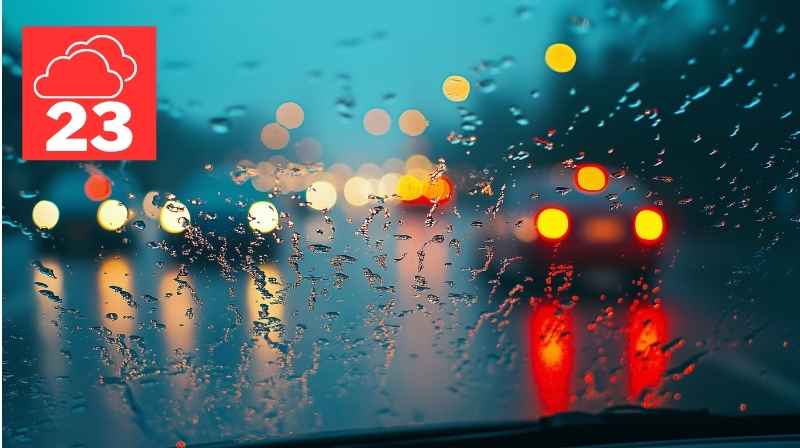

The umbrella may soon become an important part of the Nairobi commute again.
As wetter conditions return, Nairobi commuters may have to prepare for something the city knows all too well: a journey that normally takes 30 minutes suddenly taking much longer once rain, traffic and flooded sections of road come together.
For public transport users, rain is rarely just a weather issue. It can mean slower matatus, longer queues at stages, difficult conditions for boda boda riders, reduced visibility and traffic building up across major commuter corridors.
That makes checking the weather before leaving home increasingly useful. Metros Kenya regularly tracks changing conditions through its Nairobi weather reports, alongside commuter and transport updates for people planning journeys around the capital.
When Nairobi gets wet, the commute changes quickly
A relatively short period of heavy rain can have an outsized effect on Nairobi traffic.
Vehicles slow down. Pedestrians crowd under available shelter. Matatus take longer to complete trips, meaning passengers waiting at the next stage may also wait longer.
Then there is flooding.
Nairobi has repeatedly experienced localised flooding when intense rainfall overwhelms drainage systems. Metros Kenya has previously examined the city’s vulnerability as part of its coverage of Kenya’s preparations for a potentially wetter flood season. (Metros)
For commuters, the important point is that disruption does not have to occur directly on your route to affect your journey.
A flooded section of one major road can force vehicles onto alternative routes, creating congestion elsewhere.
Matatus will feel the pressure
Rain during the morning or evening rush hour creates a particular problem for public transport.
Matatus still have passengers to collect and trips to complete, but they are doing so in slower traffic and poorer road conditions.
That can create pressure on drivers to make up lost time.
But wet roads demand the opposite.
Drivers need more room to stop, visibility can deteriorate and standing water can hide potholes and damaged sections of road.
For passengers, arriving a few minutes later is preferable to a driver attempting to maintain dry-weather speeds when conditions have changed.
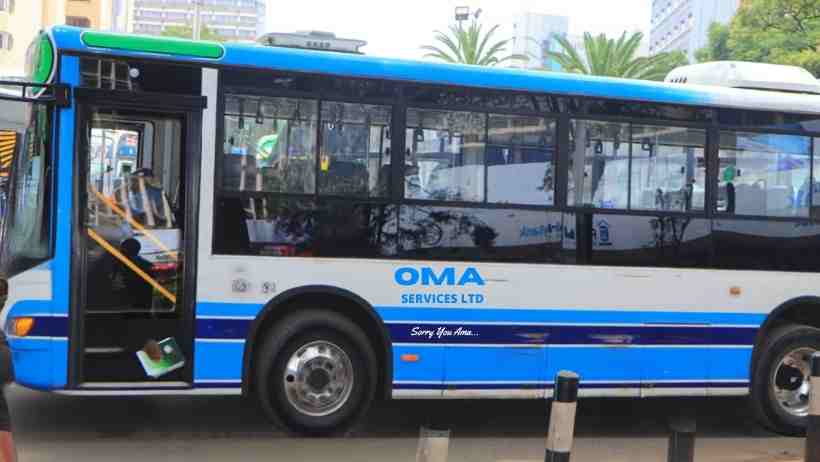
Nairobi commuters unsure of alternative services can check the Metros Kenya Nairobi Matatu Routes and Numbers database, which maps services across Thika Road, Jogoo Road, Waiyaki Way, Ngong Road, Lang’ata Road, Mombasa Road and other major corridors. (Metros)
Rain also changes what happens at the matatu stage
Sometimes the disruption begins before passengers even board.
When heavy rain arrives at rush hour, commuters naturally move towards covered stages and shelters.
Some people who would normally walk part of their journey decide to take another matatu instead. Others abandon walking altogether and look for a boda boda or taxi.
Meanwhile, matatus approaching the stage may already be running late because of congestion elsewhere.
The result can be more passengers waiting for fewer vehicles arriving on time.
This is one reason commuters should consider allowing additional travel time when the forecast shows rain around peak hours.
Boda boda riders face an even tougher journey
For motorcycles, wet conditions create a different set of risks.
Road surfaces become slippery, visibility falls and standing water can make it difficult to see potholes and other hazards.
Passengers should resist the temptation to pressure a boda boda rider to speed simply because they are running late.
When rainfall becomes particularly heavy, waiting for conditions to improve may sometimes be the safer decision.
Floodwater is where commuters need to be especially careful
One of the biggest dangers during heavy rainfall is assuming that familiar roads remain familiar once they disappear beneath water.
Floodwater can hide potholes, damaged road surfaces, open drains and other hazards.
This is particularly important for pedestrians.
A route someone walks every day may become dangerous once water covers the pavement, drainage channels and edge of the road.
Motorists should similarly avoid attempting to cross flooded sections when the depth of the water and condition of the road underneath cannot be established.
Metros has also examined the threat to transport infrastructure in its report on Kenyan transport corridors at risk from heavier rains and flooding, including strategic roads where flooding could cause wider transport disruption. (Metros)
Your usual matatu route may not be the fastest route
This is another reason Nairobi commuters should pay attention to weather alongside traffic information.
The route that works perfectly on a dry Tuesday morning may not necessarily be the best option during a heavy downpour.
A flooded junction, stalled vehicle or traffic build-up can change conditions quickly.
Commuters who know alternative routes have an advantage.
Metros’ Nairobi Matatu SACCOs, Routes and Destinations directory can also help passengers identify operators serving different parts of the city when planning alternative journeys. (Metros)
Weather information is becoming commuter information
For Nairobi residents, a weather forecast should not simply answer whether it will rain.
The more useful questions are:
What time could it rain?
Will it coincide with the morning or evening commute?
Which roads could become difficult?
Should I leave earlier?
Is there another route I can use?
That is why weather increasingly belongs alongside traffic, matatu routes and transport alerts as part of everyday commuter information.
Metros Kenya’s weather coverage will continue connecting forecasts with the practical question commuters care about most: how will today’s conditions affect my journey?
Give yourself more time
Rain does not automatically mean Nairobi will grind to a halt.
But it changes the conditions under which everybody is travelling.
Roads become slippery. Visibility falls. Matatus take longer to complete trips. Some roads may experience standing water, while congestion on one corridor can spread to another.
The simplest commuter strategy is therefore also one of the most useful:
Check the latest weather report, know your route and leave a little earlier when rain is expected.
Because when Nairobi’s rain arrives at the same time as rush hour, those extra few minutes can make a considerable difference.