
Every day, more electric motorcycles and buses join Nairobi’s roads, promising cleaner air, quieter journeys and lower operating costs. But for many commuters, one question keeps coming up: If electric vehicles are much cheaper to operate, why haven’t transport fares dropped across the board?
ALSO READ: Weekend Closures on Uhuru Highway to Disrupt Nairobi Traffic as KeNHA Announces Maintenance Works
The answer is more complicated than many people think.
While an electric motorcycle costs considerably less to power than a petrol-powered boda, operators still have to pay for financing, battery subscriptions, insurance and daily operating expenses. That means lower operating costs don’t always translate into lower fares.
“Passengers think because I’m riding an electric bike I should charge half the fare. They don’t see the loan I’m paying every month or the battery subscription.”
— Representative comment from a Nairobi electric boda rider
For many riders, the biggest financial benefit isn’t charging passengers less—it’s keeping more of what they earn.
One Nairobi rider using an electric motorcycle through TransBoda says switching from petrol transformed his daily finances.
“Since switching to an electric motorcycle, I’ve been saving more than Sh500 every day on fuel. The bike is reliable and customers appreciate the quiet, smooth ride.”
Where Commuters Are Saving
Passengers are seeing genuine savings where several electric operators compete for customers.
In areas such as Westlands, Kilimani and Parklands, operators frequently introduce promotional fares and app discounts to attract new riders.
“If an electric boda is available, I’ll choose it every time. Sometimes I save Sh50 or even Sh100 compared to a normal bike, and the ride is much quieter.”
— Representative comment from a Nairobi commuter
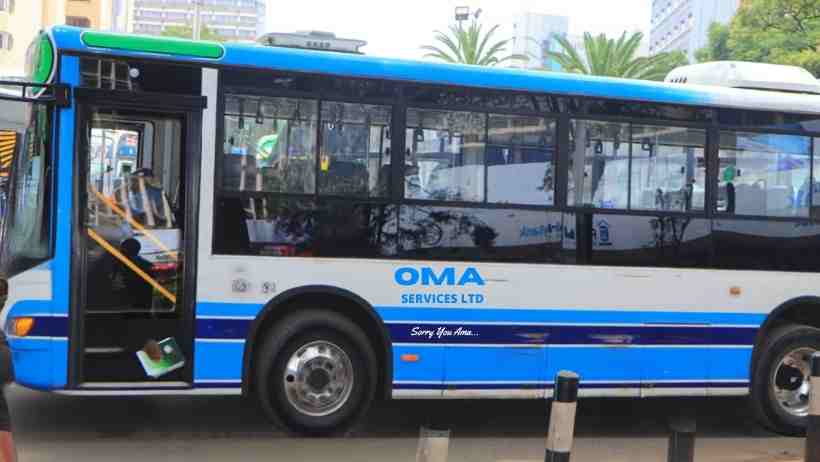
Electric buses are producing similar experiences on selected pilot routes.
“The difference isn’t huge on one trip, but if you use the bus every weekday, those small savings really add up by the end of the month.”
— Representative comment from a Kasarani commuter
The Real Winners… For Now
Industry observers say operators are currently benefiting more than passengers.
A boda rider in Nairobi explains it this way:
“Before, the first thing I worried about every morning was fuel. Now I worry about finding enough customers. My fuel bill is no longer eating into my profits.”
— Representative comment from a Nairobi boda rider
That experience mirrors what riders across Kenya are reporting. In Kisumu, one electric motorcycle operator said he cut his daily energy costs from more than Sh500 on petrol to about Sh290 on battery swapping, allowing him to save more for household expenses.
Why Fares Haven’t Dropped Everywhere
Several challenges continue to keep fares relatively stable.
Battery-swapping stations are still concentrated in major urban areas. Riders travelling outside established networks can struggle to find convenient charging points, while proprietary battery systems limit where some motorcycles can swap batteries.
“Electric is cheaper to run, yes. But if I have to ride several kilometres just to swap a battery, that’s time I’m not earning.”
— Representative comment from a Nairobi electric boda rider
The Road Ahead
As more charging stations open and competition among operators increases, commuters are likely to enjoy greater savings.
For now, the economics tell an interesting story: electric transport is already saving riders significant amounts of money, but passengers are only seeing those savings in areas where competition is strong enough to force fares down.
The electric revolution has arrived in Nairobi. The next question is not whether it works—but when commuters will begin enjoying all of its financial benefits.