
NAIROBI, Kenya, Aug 31 — Kenya Railways has added special Madaraka Express train services between Nairobi and Mombasa as the operator moves to accommodate increased passenger demand on the country’s busiest intercity passenger rail corridor.
The additional trains will operate on Monday, August 31, and Tuesday, September 1, 2026, giving passengers more options beyond the regular Nairobi–Mombasa services.
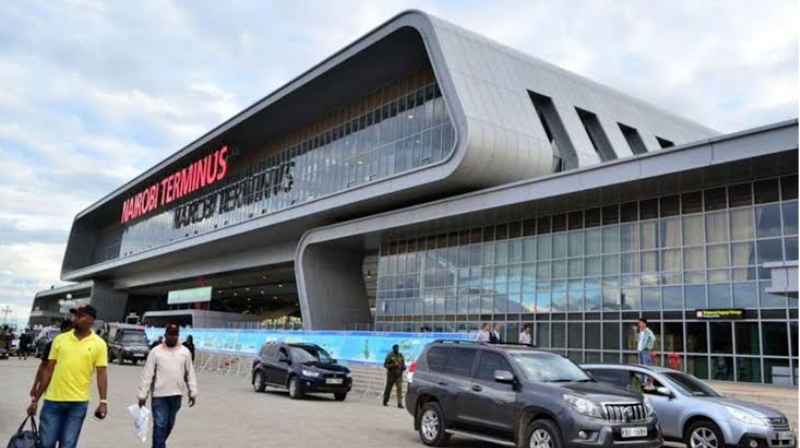
The special trains add capacity to the Nairobi–Mombasa Express Train corridor, which links Nairobi Terminus in Syokimau with Mombasa Terminus in Miritini.
Special train leaves Mombasa Monday night
The first additional train will depart Mombasa Terminus at 8.40 pm on Monday, August 31.
Two additional services will operate on Tuesday, September 1.
A train will depart Nairobi Terminus at 9.40 am, while another will leave Mombasa Terminus at 4.30 pm.
The additional schedule is:
| Date | Route | Departure |
|---|---|---|
| August 31 | Mombasa → Nairobi | 8.40 pm |
| September 1 | Nairobi → Mombasa | 9.40 am |
| September 1 | Mombasa → Nairobi | 4.30 pm |
“Kenya Railways wishes to inform members of the public that additional special train services will be available for booking on August 31, 2026 and September 1, 2026,” the operator said in its notice.
The additional trains are expected to ease demand from passengers travelling between the capital and the Coast.
Passengers unfamiliar with the railway can use the Madaraka Express SGR Passenger Routes Guide to understand the wider passenger network and how Nairobi–Mombasa services fit into Kenya’s SGR system.
Passengers urged to book early
Kenya Railways has encouraged passengers intending to travel on the additional trains to secure their seats early.
“Passengers are encouraged to make their bookings early and take advantage of the additional train services,” the operator said.
Tickets can be obtained through Kenya Railways’ official online booking platform, through the *639# USSD service, or from Madaraka Express passenger stations.
Passengers have also been cautioned against purchasing tickets from unauthorised sellers.
“We urge members of the public to remain vigilant and only book through our official Kenya Railways channels,” Kenya Railways said.
Travellers should confirm their departure date, train, departure station and time before heading to the terminus, particularly because the additional trains operate outside the normal schedule.
Nairobi Terminus is in Syokimau, not Nairobi CBD
Passengers travelling from Nairobi should remember that Madaraka Express trains do not depart from Nairobi Central Railway Station in the CBD.
The SGR’s Nairobi Terminus is located in Syokimau, meaning passengers starting their journeys in central Nairobi must first travel to the terminus.
One option is the railway connection between Nairobi Central Railway Station and the SGR terminus.
Metros has mapped this journey in the Nairobi Central Railway Station to Nairobi SGR Terminus Link Train Guide.
The journey works broadly as:
Nairobi CBD → Nairobi Central Railway Station → SGR Link Train → Nairobi Terminus → Madaraka Express → Mombasa
Passengers intending to use a railway connection for one of the special trains should confirm that the connecting service operates at a suitable time for their SGR departure.
Syokimau commuter train provides another rail connection
Syokimau is also part of Nairobi’s wider commuter railway network.
Passengers can use the Nairobi Central to Syokimau Commuter Train Guide to understand the commuter rail connection between Nairobi CBD and Syokimau.
The distinction between the different services is important.
Nairobi Commuter Rail primarily serves metropolitan journeys, while the Madaraka Express SGR provides longer-distance passenger services towards Mombasa and other destinations along the SGR corridor.
Metros has brought these services together in the Nairobi Commuter Rail Routes, Stations & Fares Guide.
Matatu connections to Nairobi SGR Terminus
Passengers who prefer road transport can also approach the Nairobi SGR Terminus through the wider Mombasa Road and Syokimau transport network.
The appropriate matatu journey depends heavily on where the passenger starts.
Someone travelling from Eastlands, for example, may have a different connection from a passenger starting in Westlands, Thika Road, Ngong Road or Nairobi CBD.
Passengers can identify their first public transport connection through the Nairobi Matatu Routes and Numbers database.
Once the appropriate route has been established, the Nairobi Bus Stations, Matatu Stages & Termini Guide can help passengers understand major boarding and interchange points.
Travellers should allow additional time for traffic and the final connection to Nairobi Terminus rather than planning to arrive immediately before the train’s departure.
Passengers travelling through Mombasa Road
Mombasa Road is one of the principal road corridors connecting central Nairobi with the Syokimau area.
Passengers approaching from South B, South C, Industrial Area and other parts of southern Nairobi may therefore be able to connect into the wider Mombasa Road transport network.
Metros’ Nairobi Industrial Area Transport Guide can help passengers starting around Industrial Area understand connections towards Mombasa Road.
Passengers should nevertheless distinguish between vehicles travelling along Mombasa Road and those providing a useful connection towards the SGR terminus.
Passengers travelling from Westlands
Passengers starting in Westlands can use the Westlands Transport, Matatu Routes & Stages Guide to establish their first connection towards central or southern Nairobi.
The journey can broadly be planned as:
Westlands → central Nairobi/Mombasa Road connection → Syokimau → Nairobi Terminus
Alternatively, passengers can connect to Nairobi Central Railway Station and use an appropriate rail connection towards the SGR terminus where the timetable permits.
Passengers travelling from Ngong Road and western Nairobi
Passengers travelling from Ngong Road, Kawangware, Dagoretti and neighbouring areas can use the Ngong Road–Karen Matatu Connections Guide to establish their first leg.
A journey towards the SGR may involve:
Ngong Road/Kawangware → Nairobi CBD or Mombasa Road connection → Syokimau → Nairobi Terminus
The exact interchange will depend on the passenger’s origin and the service available.
Passengers travelling through the Nairobi Expressway
The Nairobi Expressway also runs along the wider corridor between Westlands, Nairobi CBD, Mombasa Road and the airport side of the city.
Passengers using private vehicles, taxis or other appropriate road services may encounter the Expressway as part of their journey towards the Syokimau/Mombasa Road area.
Those using matatus should instead establish the actual boarding and alighting points for their public transport service rather than assuming a vehicle uses the Expressway.
Mombasa Terminus is in Miritini
Passengers travelling from Nairobi to Mombasa should also plan beyond the train journey itself.
Madaraka Express trains arrive at Mombasa Terminus in Miritini, rather than directly in Mombasa CBD.
Passengers whose final destination is Mombasa Island therefore require an onward connection.
Metros has mapped this part of the journey in the Mombasa CBD to SGR Terminus Commuter Train Guide.
The complete journey can therefore involve:
Nairobi origin → Nairobi Terminus → Madaraka Express → Mombasa Terminus → Mombasa CBD/final destination
Passengers should account for this last-mile connection when planning arrival times.
Nairobi–Mombasa remains Kenya’s main SGR passenger corridor
The Nairobi–Mombasa route remains the backbone of Kenya’s SGR passenger network, connecting the country’s capital with the Coast while serving several intermediate destinations through scheduled services.
Passengers can use the Nairobi–Mombasa Express Train Guide for information specific to the main intercity journey.
For a broader view of the SGR, including passenger routes and stations, Metros maintains the Madaraka Express SGR Passenger Routes Guide.
The network forms part of the much larger Kenyan passenger railway system covered by the Kenya Train Routes, SGR & Commuter Rail Guide.
This allows passengers to move from an individual train story into the permanent Metros rail database rather than relying only on temporary timetable announcements.
Nairobi’s commuter rail network connects with longer-distance travel
The Nairobi–Mombasa SGR does not operate in isolation from the capital’s wider transport system.
Passengers first have to reach Nairobi Terminus, creating an important relationship between long-distance rail, commuter rail and Nairobi’s road-based public transport.
The wider journey can therefore be understood as:
Home/origin → matatu or commuter rail → Nairobi Terminus → SGR → Mombasa Terminus → local connection → final destination
Passengers planning the Nairobi section can use the Nairobi Commuter Rail Routes, Stations & Fares Guide alongside the Nairobi Matatu Routes and Numbers database.
For matatu operator information, passengers can additionally consult the Nairobi Matatu SACCOs, Routes & Destinations Directory.
Special trains are temporary services
The additional Madaraka Express trains announced for August 31 and September 1 are special services and should not be interpreted as permanent additions to the regular timetable.
Passengers travelling after the two dates should therefore check the latest Kenya Railways timetable before making their journey.
This is particularly important because additional trains may be introduced during periods of unusually high demand without permanently changing the standard schedule.
For permanent journey planning, passengers can use the Kenya Train Routes, SGR & Commuter Rail Guide as the starting point before moving into the relevant individual Metros rail guide.
The special services give Nairobi–Mombasa passengers additional choices over the two days, but commuters should book early, use authorised Kenya Railways booking channels and allow sufficient time to reach the correct terminus before departure.